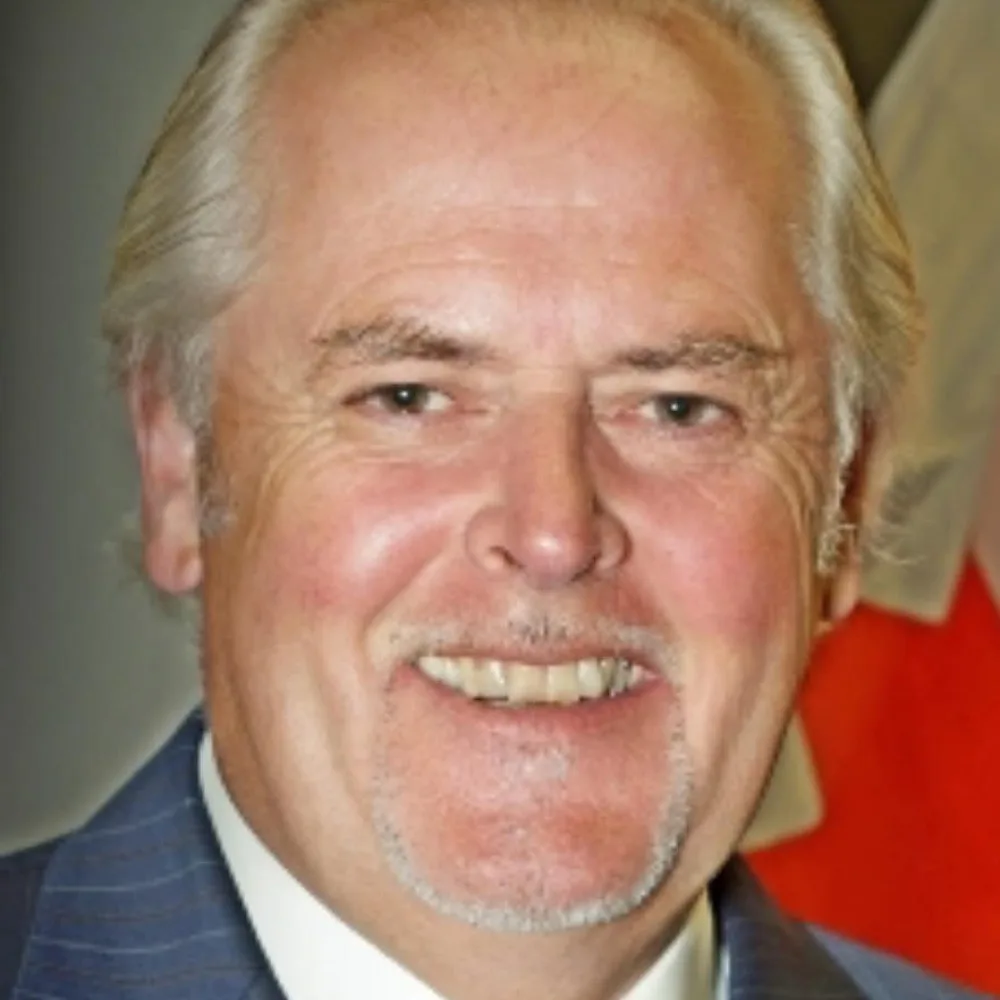
We are about to find out what the future of the Canadian Telecom industry will look like under Prime Minister Mark Carney.
He and his cabinet will decide by Aug. 13 what to do with a petition appealing last year’s “final” decision by the Canadian Radio-television and Telecommunications Commission's (CRTC) on the structure of wholesale access to fibre to the home services.
It’s the latest critical point in a series of decisions, rethinks, appeals, do overs, hearings and apocalyptic threats that have plagued the industry in one form or another for the better part of a generation. It is the regulatory song that never ends. Since last year’s “final” decision, for instance, there have been two more decisions - each of which led Bell, in particular, and Rogers to raise doubts about their willingness to invest in serving rural and remote areas.
Telus, on the other hand, has been an enthusiastic backer of a framework that it believes will make it more competitive with Rogers and Bell fibre networks in Ontario, even launching a change.org petition.
The next “final” decision dealing with review and vary applications, impacts on investment and, vitally, the rates charged for access is expected to be released later this summer.
What is at stake for consumers is what the CRTC believes needs to be a more competitive framework that will create a healthier playing field and downward pressure on internet prices. Smaller companies are demanding access to a larger base of consumers they insist they can serve with lower prices.
The details and the price those companies will have to pay to access those networks has plagued the CRTC and at least four of its chairs for decades. Last summer’s decision - one of many over the years designed, more or less, to put an end to this prolonged era of regulatory uncertainty - is the one Carney will be deciding to uphold, overturn or alter. The issue overall has many complexities, something illustrated by the specifics of the appeal facing the nation’s new prime minister. Cogeco, based in Quebec, and Eastlink, a Maritimes-based company, want Carney to overturn the decision, or at least the part of it related to the ability of larger providers to resell access to their networks.
But enough with the technicalities. Yes, they are important and extremely so for those involved. The issue before Carney and his cabinet is, however, much bigger than the specifics they are being presented with. It’s really whether or not they will back the CRTC - which is supposed to be an independent, quasi-judicial, arms-length regulator - in its efforts to clean up this file and “finally” establish regulatory stability. And, yes, the length of those arms has been a matter of debate. Certainly eyebrows were raised during discussions on the highly-contentious Online Streaming and Online News acts when officials at the Ministry of Canadian Identity and Culture (formerly Heritage Canada) implied to many lobbyists that the CRTC took their direction. That boast encouraged many stakeholders to believe they could best advance their cases politically and not fuss over what CRTC chair Vicky Eatrides might think. But that was under Justin Trudeau’s watch and we are about to get at least an inkling of how, or if, things have changed.
Some of Carney’s cabinet colleagues have previously dealt with CRTC appeals. Among them is Melanie Joly who, in her new role as Industry Minister, will be deeply vested in this decision, which, now that all the arguments have been heard many times over many years, should uphold the Commission’s authority and bring an end to a debate that has bedeviled investors and bewildered consumers.
The Prime Minister is himself a former head of an independent body, the Bank of Canada. But this is his first telecom rodeo and his decision will say a lot about whether he’s inclined to seize the reins himself or let his agencies’ horses run.
Peter Menzies is a consultant, former vice chair at the CRTC