

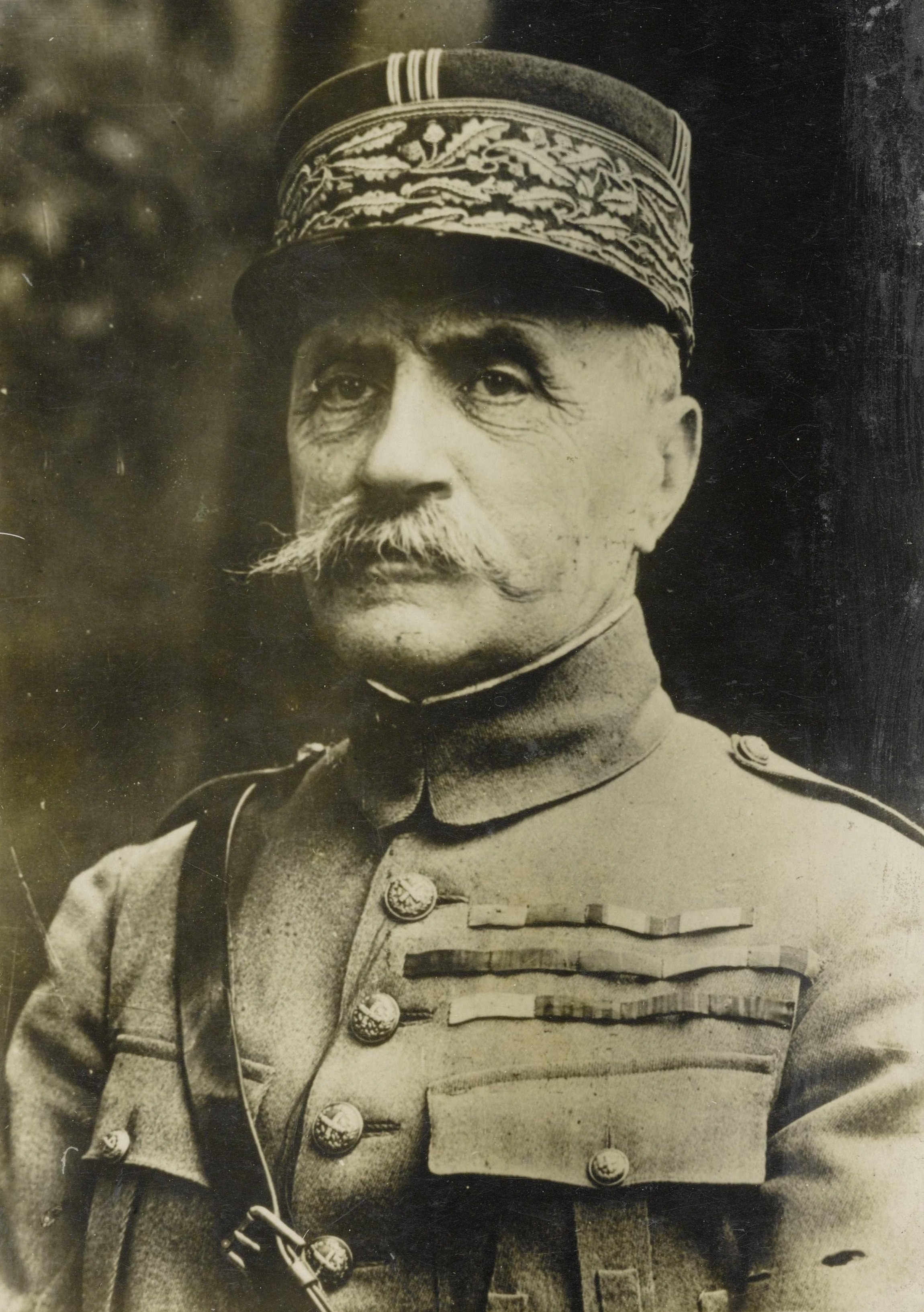
The man who served as Supreme Commander of allied forces in the final year of the First World War was in Ottawa on this date in 1921. Ferdinand Foch, known then and now as Marshall Foch, was welcomed to Canada’s capital by Prime Minister-designate William Lyon Mackenzie King. “Never before has it been given to any generation to look upon one man to whose single judgment the fate of so many nations has been entrusted, or whose single command has so largely served to determine the destinies of mankind,” King, who led his party to victory over Arthur Meighen’s Tories in Canada’s general election only days before, said.
Foch, of course, led British and Canadian, American and French forces in 1918 as the war’s final months were underway. Mr. King, of course, and very true to form, showered Foch with praise with his praise of the visiting military leader, labeling him as the “central figure of our times.”
“Never before has it been given to any generation to look upon one man to whose single judgment the fate of so many nations has been entrusted, or whose single command has so largely served to determine the destinies of mankind,” he said.
You can read more from King’s welcome below.
Mackenzie King: May I say, at once, that it is not possible to express in words the deep feelings evoked by the presence of Marshal Foch in our midst. Never before has it been given to any generation to look upon one man to whose single judgment the fate of so many nations has been entrusted, or whose single command has so largely served to determine the destinies of mankind.
We recognize in you, Sir, the central figure of modern times; the man of whom History will say that, here, was momentary pause in the affairs of Nations; here, the past and future met; here, peril, terror, and suffering at their worst gave way to new-found strength and to freedom newly-born; here, world despotism was overthrown, and a new brotherhood established among the children of men.
Your visit has made us participators in this world acclaim; for adding this page to its history, our country thanks you with feelings of gratitude and pride. It is, however, not alone because in the hour of supreme conflict in the world’s greatest of wars, millions of warriors looked to you as their leader, or because a war-swept world hails you to-day as a deliverer, that we most honour you.
Rather is it that in your singleness of vision and humility of spirit we perceive the secret of all guiding genius worthy of the name.
Who is the happy Warrior?
Who is he That every man in arms should wish to be? —
It is the generous Spirit, . . .
Who, doomed to go in company with Pain, And Fear, and Bloodshed,
miserable train!
Turns his necessity to glorious gain; . . .
He labours good on good to fix, and owes
To virtue every triumph that he knows:
In Foch, the man, we discern the character of the Happy Warrior. He who, whether amid adversity or triumph, loves mercy, seeks to do justly, and walks humbly with his God.
To have had among us one who is truly great, a hero with a hero’s soul, is to inspire within our country more of reverence for the source of all true greatness. For this inspiration, which we shall ever hold in remembrance of this visit, we thank you, too, with all our hearts.
As Canadians, we honour your illustrious name; your immortal fame we shall ever cherish. May the light that never faileth lead you on!”
Arthur Milnes is an accomplished public historian and award-winning journalist. He was research assistant on The Rt. Hon. Brian Mulroney’s best-selling Memoirs and also served as a speechwriter to then-Prime Minister Stephen Harper and as a Fellow of the Queen’s Centre for the Study of Democracy under the leadership of Tom Axworthy. A resident of Kingston, Ontario, Milnes serves as the in-house historian at the 175 year-old Frontenac Club Hotel.