

It is my great pleasure to introduce a guest columnist for Art's History today. Jago Garrett, a remarkable young man studying ancient history and French here in Kingston at Queen's University. He hails from Grey County, Ontario, (where, of course, the great John Diefenbaker and his fellow great, Agnes MacPhail, were born). He has edited his Queen's department's journal and follows Canadian politics keenly. He'll be helping me out in 2026. Welcome to Art's History Jago! Over to you.
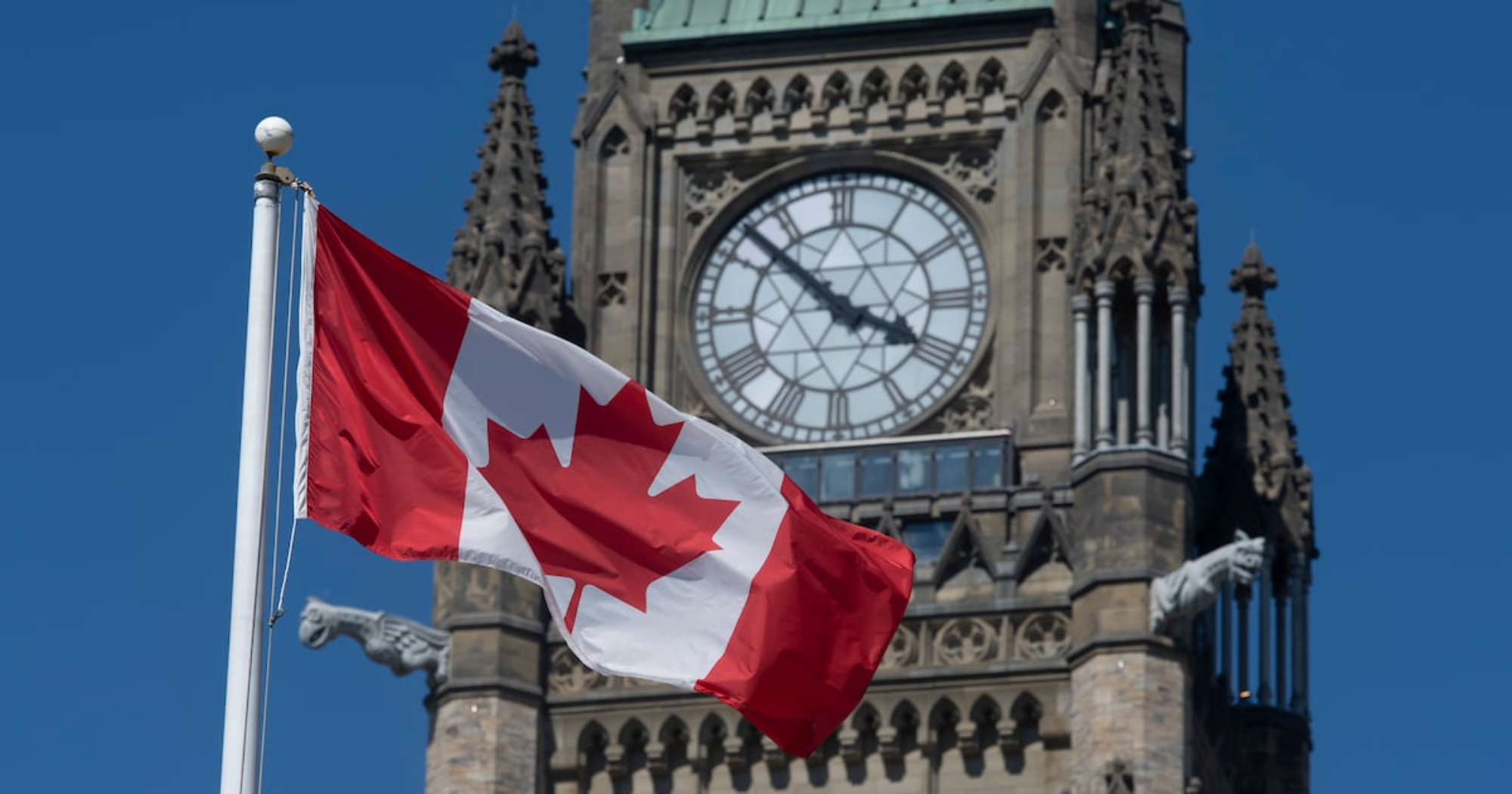
From today's vantage point, the Canadian Maple Leaf flag seems unquestionable. However back in the early 60s when Lester B. Pearson’s Liberals argued for the need for a new national flag, they met stiff opposition from John Diefenbaker's Progressive Conservatives.
Some background: Up until that historic vote on December 15, 1964, Canada’s official flag had always been the Union Flag (sometimes referred to as the Union Jack) of the United Kingdom. In practice, the Red Ensign gradually became the symbol that represented Canada at home and abroad. Importantly, it was the flag that Canadian soldiers fought under during the Second World War.
The Red Ensign, while distinctly Canadian with a red background and Canadian coat of arms, did feature the Union Flag in its top left corner, as do the flags of Australia, New Zealand, and many other former British colonies today. This detail is what set the debate off. Many Canadians, particularly those from French-speaking communities, took umbridge with a flag that displayed Britain’s Union Flag. It wasn’t just Quebecers, though. Prime Minister Pearson, then Canada’s external affairs minister, himself had faced issues from President Nasser of Egypt during the Suez Canal crisis (where Pearson was awarded the Nobel Peace Prize). The Egyptian President had refused a Canadian peacekeeping delegation on the grounds that their uniforms bore the flag of the United Kingdom.
Meanwhile, support for the Red Ensign came from many English-speaking Canadians, who saw in their current flag a history they were proud of, and an empire they felt tied to. At the end of the day, it was the Liberals that won the argument. The Great Canadian Flag Debate ended in exciting fashion. The iconic Canadian Maple Leaf Flag that we know and love went to be voted for by parliament after it was selected by committee.
The design, created by George Stanley, was brought to committee by Liberal MP John Matheson. Inspired by the layout of the flag of Kingston’s own Royal Military College. Stanley stressed the importance of omitting the Anglo-Canadian Union Flag, and the Franco-Canadian fleur-de-lys. Instead, Stanley favoured the uniquely Canadian symbol of the maple leaf.
In a clever act of political manoeuvring, the Liberals backed Stanley’s design over Liberal leader Pearson’s, own preferred design, meaning a new flag was unanimously supported- to the surprise of the PCs who had hoped that the movement would die in committee. Two months later on 15 February 1965, the Canadian Maple Leaf flew above parliament for the first time as Canada’s national flag.
Interested in this issue and the times when the debate took place, I asked my grandfather, Jim Griffin, was in his mid-twenties when the vote took place. When I asked him what his views at the time were, he told me that he had been staunchly against the adoption of a new flag. While he was a Liberal and sympathetic to Prime Minister Pearson, my grandfather didn't speak French and was proud — as he remains today — of his country’s British heritage. He still refers to Canada Day by its original name, Dominion Day, and the church that he and my grandmother, Chris, attend every Sunday flies both the Canadian Maple Leaf and the British Union Flag.
His father served in the Second World War, and his uncles in the First, and he cites this as being part of the reasons why he was reluctant to see the Red Ensign go. Today, however, his views have changed and he now sees the Maple Leaf Flag as an indispensable Canadian symbol.
It takes a lot to change your mind when it comes to something you care about. Two years later, in 1967 and during during Canada’s Centennial, my grandfather, like countless Canadians, went to Montreal for Expo 67. Travelling across five provinces and seeing the new flag all over the country while his wife was expecting their first child, perhaps he saw what a lot of Canadians did: the start of a new chapter for Canada.
Arthur Milnes is an accomplished public historian and award-winning journalist. He was research assistant on The Rt. Hon. Brian Mulroney’s best-selling Memoirs and also served as a speechwriter to then-Prime Minister Stephen Harper and as a Fellow of the Queen’s Centre for the Study of Democracy under the leadership of Tom Axworthy. A resident of Kingston, Ontario, Milnes serves as the in-house historian at the 175 year-old Frontenac Club Hotel.