

Across Canada, the rising cost of groceries has become a reality that can no longer be ignored. Affordability has become a unifying call to action for politicians and community leaders of all stripes, and rightly so. When children arrive at school hungry, it demands attention.
But for people of the Arctic, this is not a new crisis. It has been a reality for decades.
In Nunavut, the cost of basic food has long been painfully high. Distance, logistics, and limited infrastructure mean everyday items like milk, bread, cheese, fruit and vegetables often cost two to three times more than they do in southern Canada. In some cases, even more. In the South, we talk about inflation. For northern families, it is a baseline.
By recently announcing and fast tracking a new grocery tax credit, Prime Minister Mark Carney and the federal government acknowledged that reality, pledging steps to strengthen food security in the North, where challenges are felt most intensely. That recognition matters. It also creates an opportunity to look more closely at what lasting affordability solutions in the North actually look like.
Affordability in the Arctic is not only a social issue; it’s a national one. As global attention on the region intensifies, Canada’s credibility is increasingly measured by the strength of its northern communities. Sovereignty encompasses much more than defence policy or diplomatic posture – it is sustained by people who can live, work, raise families and thrive in the North.
We know that it starts with food security.
After decades working in Nunavut, one lesson is clear: short-term programs and one-time funding announcements do not change outcomes. What does change outcomes are stable, community-led approaches that respond to local realities and are delivered close to the ground.
One example is the Inunnguinig Project, launched by Agnico Eagle in 2023, including our partnership with the Breakfast Club of Canada. Inunnguinig is an Inuktitut word meaning “creating a whole human being.” The name is not symbolic. It is practical. Children who are provided with the right tools and fundamentals are better able to focus, learn and thrive.
What makes the Inunnguinig Project an example of what works goes beyond simple funding to how the program was designed. Communities were asked where support would make the greatest difference, rather than being told what affordability should look like from afar. The answer was consistent: start with the children, start in schools, and make support predictable.
That approach has translated, notably, into Agnico Eagle’s support for daily breakfasts for more than 5,000 Nunavummiut students across the Kivalliq and Kitikmeot regions, where food access challenges are most acute, with all schools in those regions now taking part.
This focus on youth could not be more urgent. Nunavut’s population is both young and growing, with a large share of residents under the age of 20. At a time when Arctic security and Canada’s presence in the North are increasingly in focus, preparing northern youth with the skills, confidence, and support they need is essential to the region and the country.
Food security is the foundation of that preparation. Children who are hungry cannot learn effectively. Youth who struggle through school are less likely to access training, employment, or leadership opportunities later on. Over time, those gaps compound, affecting not just individual outcomes, but the strength and stability of entire communities.
Affordability in the North will not be solved overnight. It will require long-term investment, deeper collaboration with northern partners, and steady support for initiatives that strengthen food security and local capacity. Nowhere is that investment more important than in young people.
They carry the hopes of their families, the future of their communities, and Canada’s long-term presence in the Arctic. Ensuring they have enough to eat, the chance to learn, and the support to succeed should not depend on where they live.
If Canada is serious about its Arctic future, it must start where the future begins. With children. With communities. And with the simple truth that you cannot sustain a nation on an empty stomach.
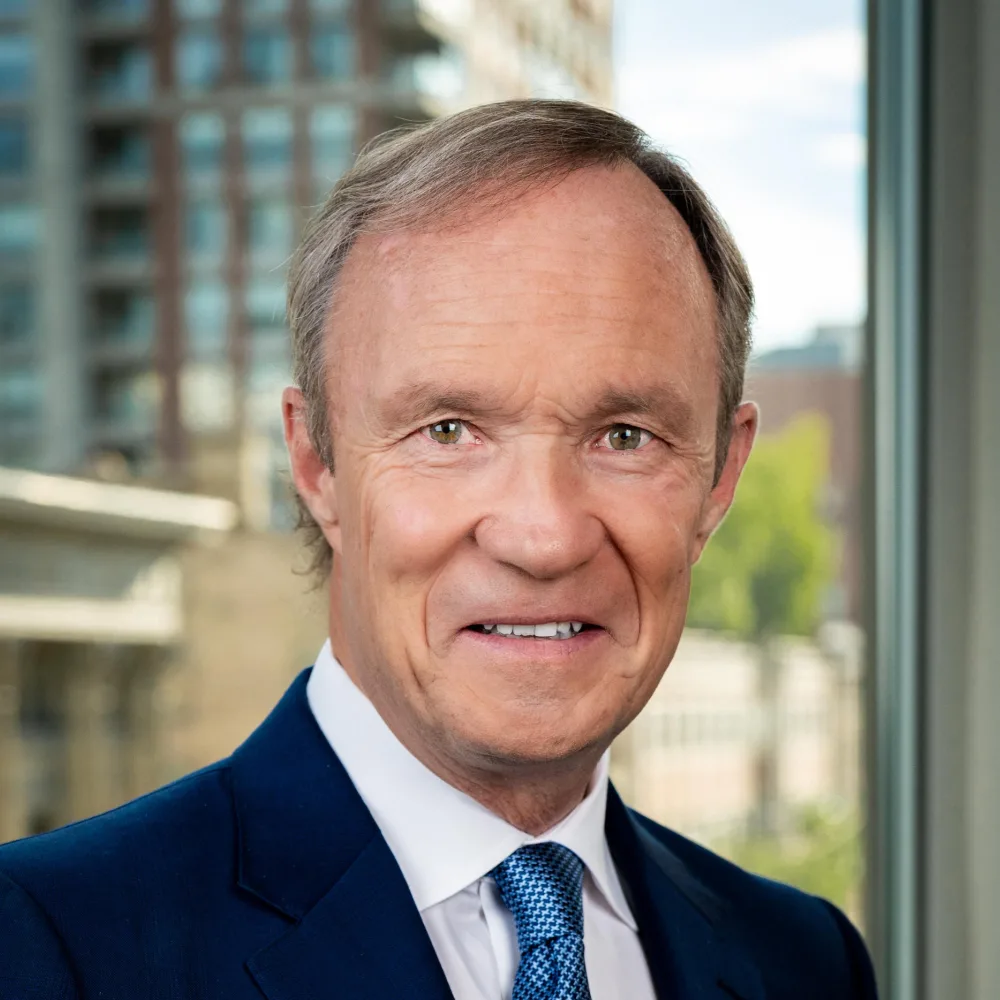
Sean Boyd, Chair of the Board - Agnico Eagle Mines Limited
Ammar Al-Joundi, President & Chief Executive Officer - Agnico Eagle Mines Limited
The views expressed are those of the author(s). National Newswatch Inc. publishes a range of perspectives and does not necessarily endorse the opinions presented.