When the world is changing fastest is exactly when Canadian farmers need the stability only domestic ethanol provides — but Ottawa keeps them waiting.
Canadian farmers are already being squeezed. Fertilizer prices are surging. Grain markets are rattled by geopolitical instability from the Middle East to the Pacific. The last thing rural Canada needs is the domestic ethanol market collapsing under the weight of foreign-subsidized imports.
Yet on his recent trip to India, Prime Minister Carney signed an agreement spotlighting biofuels and upgraded Canada’s membership in the Global Biofuels Alliance. Abroad, a strong signal. At home, the industry behind those ambitions is still waiting for Ottawa to fix the policy quietly dismantling Ontario’s ethanol producers and the corn farmers who supply them.
What many Canadians don’t realize is Canadian ethanol producers support thousands of rural jobs and anchor a third of Ontario’s grain demand while receiving zero government production subsidies. None. That’s not a complaint; it’s a record of accomplishment. But it is making Canada an uncompetitive outlier.
U.S. ethanol producers receive a per-gallon production credit from Washington running through 2029. Brazil backs its sector with comparable support. Canada offered trade relief to canola growers and renewable diesel producers last fall but its ethanol market remains completely exposed.
Worse, Ottawa isn’t just standing still — its policy is amplifying foreign subsidies.
Under Canada’s Clean Fuel Regulations, imported U.S. ethanol is treated identically to domestic product. American ethanol collects a production subsidy south of the border, then generates clean fuel credits once it crosses into Canada. A double-dip advantage — paid for, in effect, by the Canadian producers it undercuts.
The market share numbers show what happens when that goes unanswered. A few years ago, Canadian and U.S. ethanol each held roughly half the domestic market. Today, subsidized imports account for roughly 70 per cent of Canada’s ethanol supply. Over a billion dollars in Canadian investment is not cancelled — it is stalled, waiting for a policy signal that has not come. Ottawa’s response? More consultation. No amendments expected before 2027.
Meanwhile, Washington didn’t wait. One major U.S. ethanol company has already projected $181 million USD in additional revenue this year alone from Washington’s new 45Z clean fuel production credit with Canada already the largest export market for U.S. ethanol. Every month Ottawa deliberates, those subsidies compound, displacing Canadian production and the grain demand that goes with it.
American ethanol lobbies understand the stakes better than Ottawa seems to. When Canada released its Clean Fuel Regulations consultation last year, U.S. industry associations filed formal submissions opposing even modest domestic proposals. These proposed amendments will not restrict imports but simply stop Canadian producers from being priced out of their own market. The opposition was swift and organized. Ottawa’s reply was to keep studying options.
The United States did not become a global ethanol leader by consulting indefinitely. Washington made clear, targeted decisions. And unlike our federal government, they did so in months, not years.
Here is what is actually at stake. Canada’s ethanol industry is not a clean energy talking point. It is the industry anchoring grain prices. It is the demand signal that keeps corn farmers farming when everything else is volatile. Lose it, and no trade mission or climate pledge brings it back. Ethanol plants close. Grain contracts disappear. The rural tax base erodes. These are not reversible outcomes.
Carney has shown he understands the language of economic sovereignty. He used it on softwood. He used it on canola and steel. Canada’s corn farmers and ethanol producers have every right to ask him to use it here.
Canada has the farmers, the facilities, and the feedstock. The only thing missing is a federal policy to recognize them.
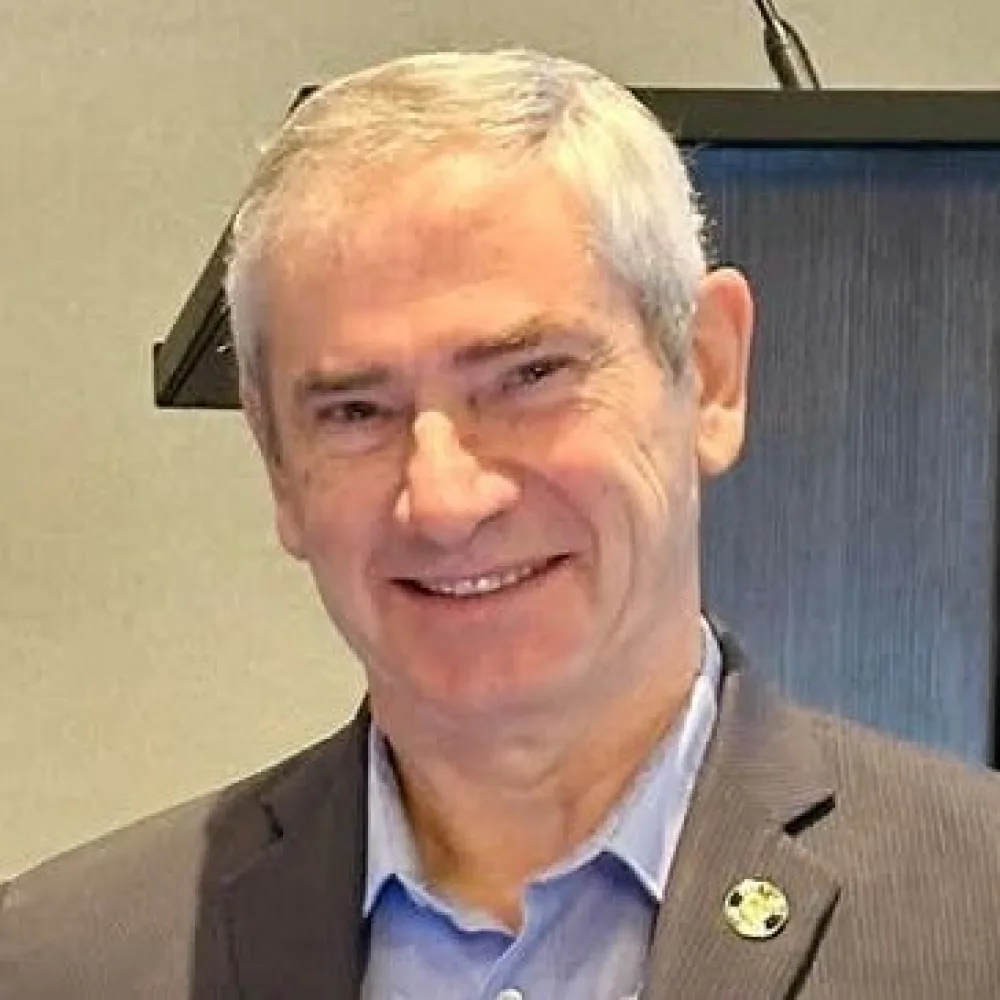
Stu Porter is an internationally recognized biofuels expert, former Director of BBI Biofuels Canada, and President of Biofuels Consulting Canada Inc.
The views expressed are those of the author(s). National Newswatch Inc. publishes a range of perspectives and does not necessarily
endorse the opinions presented.