OTTAWA -- Malaysia's high commissioner in Canada says she is skeptical about Prime Minister Mark Carney's push to have middle powers band together against the great power of the world's dominant nations.
Shazelina Abidin told the Canadian Global Affairs Institute's annual trade conference in Ottawa on Tuesday that Carney's speech at the World Economic Forum was profound, not because of its content but because it was delivered by a G7 leader.
"That was the profound thing for most of the Global South," she said.
However, she also said there have been several movements of middle powers in the past, but they haven't worked because the parameters of which countries are included are unclear.
"We're still not sure, at least from our vantage point, of what the middle powers look like," she said. "If you're not a small power, you're not a big power or you're not a major power, then you're middle power... That seems to me a very broad, too broad a definition to talk about a middle power movement."
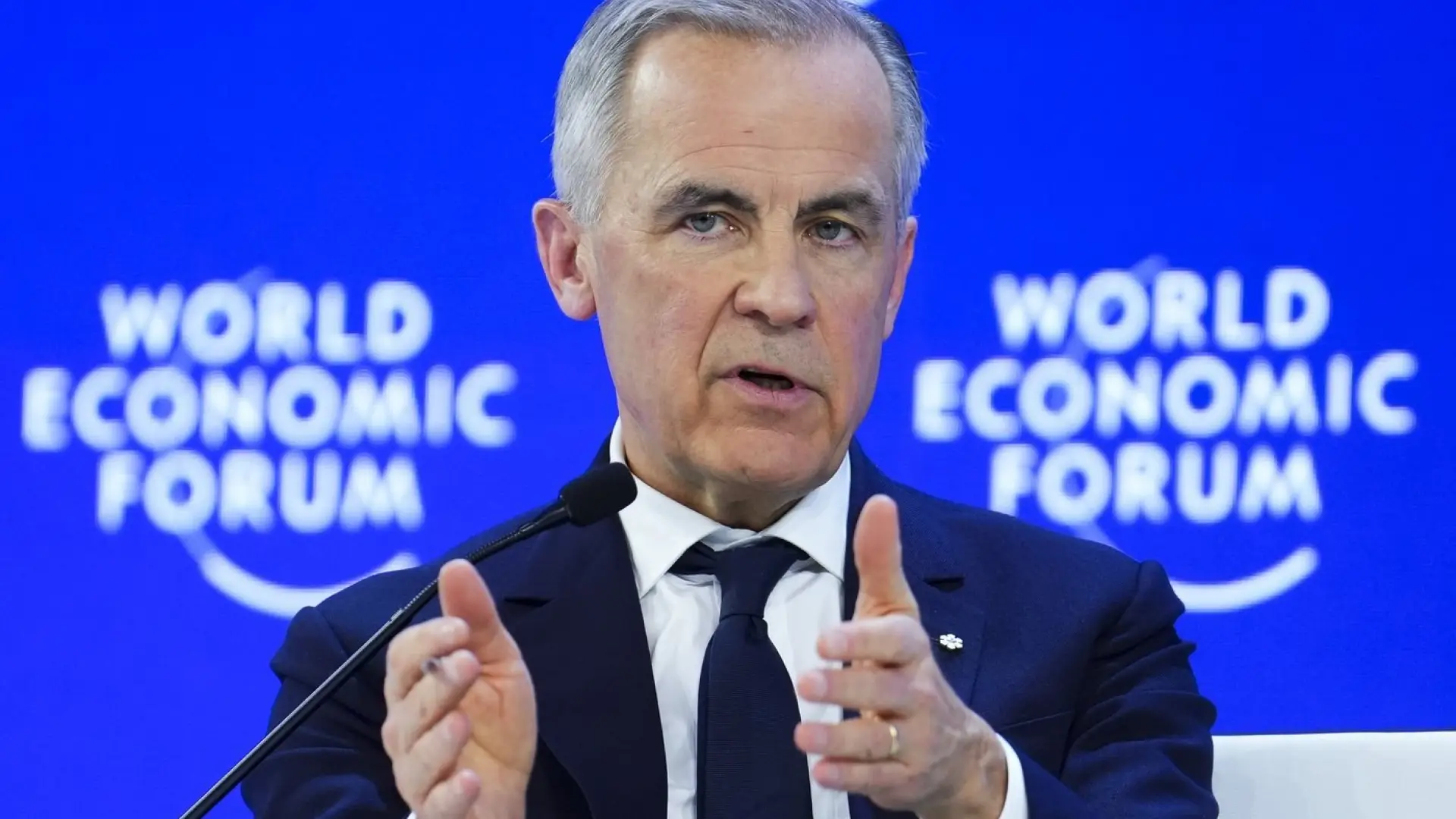
In his Davos speech, Carney said the world has entered a risky new age of great power rivalries and that Canada is working to expand non-U.S. trade in the face of U.S. President Donald Trump's protectionist policies.
"We're still looking at how this will translate," said Abidin.
As the government looks to diversify trade with states in the Asia-Pacific region, Abidin said Canada needs to work on building trust and relationships as businesses aren't convinced the diversification kick will stick.
"Canada has not capitalized on its relationships with ASEAN," she said, adding that Canada has been a partner of the bloc since 1976. "You've been there, disappeared a bit, come back."
"We've been here before; 2017 was the last diversification and then things sort of calmed down a bit and the pivot didn't happen. What is the guarantee for most businesses in Asia that this pivot or this diversification is here to stay?"
Asia Pacific Foundation of Canada president Jeff Nankivell, said leaders aren't publicly signing up to join Carney's new coalition, though many are expressing interest in private.
"I think middle powers is a very awkward, uncomfortable terminology for those of us who work in the field," said Nankivell. "I think the point to take away, and really I think that the fundamental point for Canada in this and for the countries who share our values is it's much better to be leading a positive agenda."
Deputy High Commissioner for the Republic of India to Canada Chinmoy Naik said India generally sidesteps the terminology of "middle powers" and focuses on working with like-minded nations.
Abidin also called into question Carney's comments this week that the international order will be rebuilt out of Europe. He made the comments during the eighth European Political Community Summit in Armenia.
Abidin said those comments were "kind of weird."
"I'm not so convinced that the next world order is going to be built from Europe, understanding that most of the supply chain hubs and most of the powers that move trade now are in Asia," she said.
This report by The Canadian Press was first published May 6, 2026.
1844