Canada’s Arctic is no longer a distant conversation. It has quickly become one of the country’s most important strategic priorities.
For decades, many viewed the North as too remote, too difficult, and too costly to develop. That perspective is changing. Governments are advancing discussions on sovereignty, industry is looking at critical minerals and infrastructure, and international attention on the Arctic is growing. This shift is long overdue.
However, if Canada is serious about building a strong and sovereign North, it must recognize something fundamental: sovereignty is not only about geography, maps, resource development, and even military presence. It is ultimately about people.
It’s about communities that are healthy, resilient, and able to thrive, where families have access to affordable housing, education, and affordable food supplies and where young people see opportunity and a future in the places they call home. It’s also about ensuring that Indigenous communities are not observers to development, but active partners in shaping it.
This recognition is increasingly shared across sectors. At recent discussions, including the Public Policy Forum’s 2026 Canada Growth Summit, a common theme emerged: major projects in the North can only move forward successfully through meaningful collaboration between Indigenous communities, governments, and the private sector. Each has a distinct role to play, but progress depends on working together towards shared objectives with clarity and respect and the ability to transform vision into action.
For Corporate Canada, this signals an important shift. The development of the North can’t be approached like business as usual – it requires a broader view of partnership, one that goes beyond project boundaries and considers long-term community outcomes alongside economic opportunity. This means collaborating with Indigenous communities from the outset, supporting government efforts to enable efficient and predictable development pathways, and contributing not only capital, but also expertise, infrastructure, and capacity-building. It also means recognizing that strong communities are the foundation of successful and sustainable projects.
There are emerging examples of how this approach can take shape in practice.
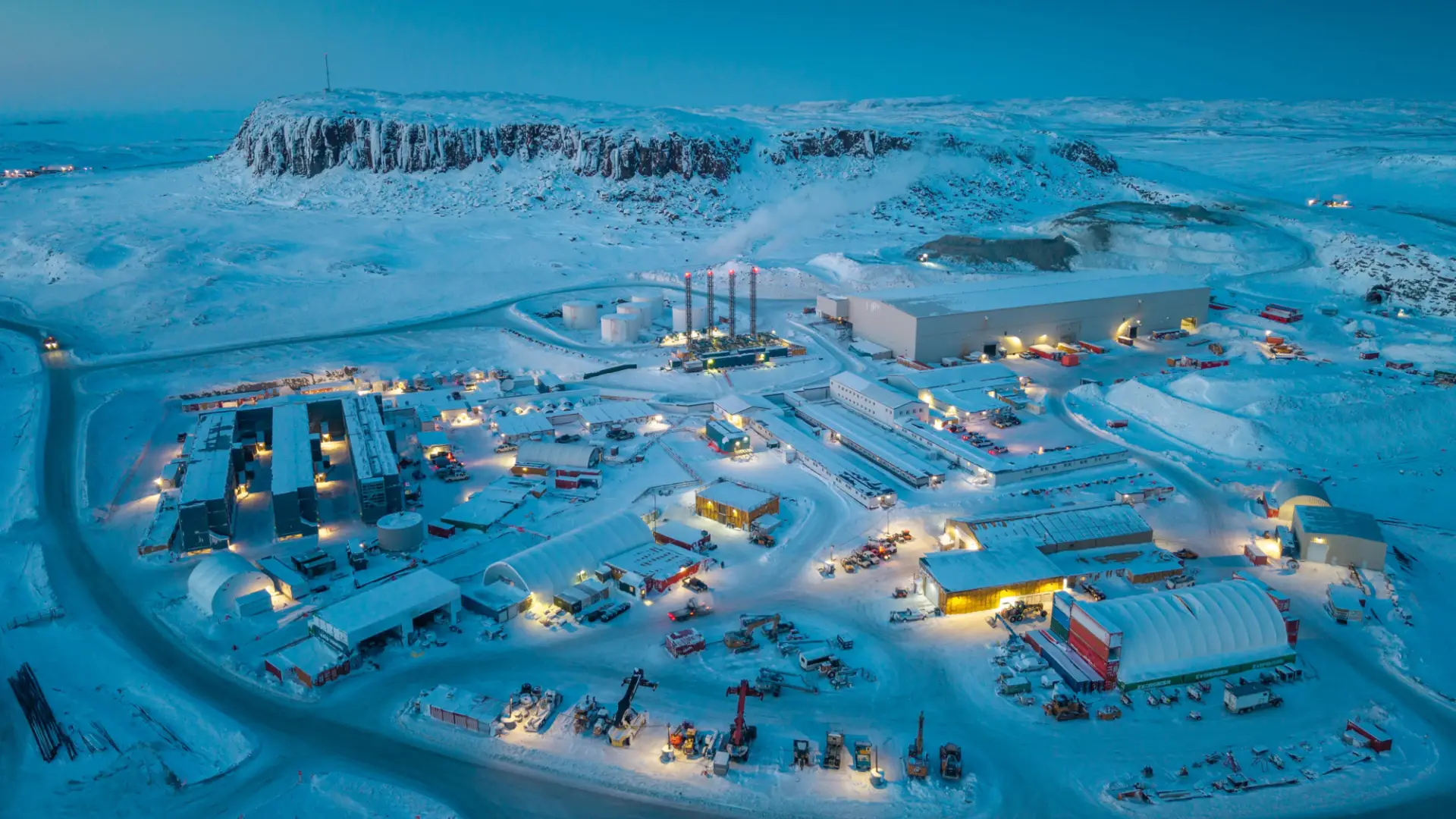
In Nunavut’s Kitikmeot Region, the Hope Bay project reflects a model where development is advancing through collaboration between Inuit organizations, government, and industry. The project builds on a long history, dating back to its discovery in 1964 by Inuk prospector Noel Avadluk, and is now moving forward with significant investment anchored in partnership. When construction is complete in 2030, Hope Bay is expected to be one of Canada's most important new mines and contribute an estimated C$2.6 billion annually in Canadian exports.
Importantly, the broader effort extends beyond the project itself. Investments in areas such as food security, housing, and education are being advanced alongside development, reinforcing the idea that economic opportunity and community well-being are deeply interconnected.
At the same time, governments are signalling both ambition and openness to new approaches. Recent federal support for clean energy and knowledge sharing initiatives related to the Hope Bay project points to a growing recognition that enabling northern development requires coordinated action across jurisdictions and sectors.
Taken together, these developments highlight a clear reality: no single actor can advance this agenda alone. Governments can set the framework and provide enabling support. Indigenous communities bring knowledge, leadership, and long-term stewardship. Industry brings capital, technical expertise, and execution capacity. Success depends on alignment.
For Corporate Canada, the implication is clear. There is an opportunity, and a responsibility, to step forward as active partners in shaping the future of the North and our country. This includes asking not only where to invest, but how to contribute to long-term, inclusive development that benefits communities and the country. The opportunity is significant.
Projects like Hope Bay can serve as an example of how this can be done. Not as a blueprint to replicate, but as an illustration of what becomes possible when relationships are established early, built, and sustained over time, on trust.
The path forward is clear. Building a strong and sovereign North will depend on the ability of Indigenous partners, governments, and industry to move forward together, with intent, with clarity, and with a shared commitment to long-term success.
The lesson is straightforward: ignore the community, and the opportunity will be lost. Embrace partnership, and the potential is far greater, for the North, and for Canada as a whole.
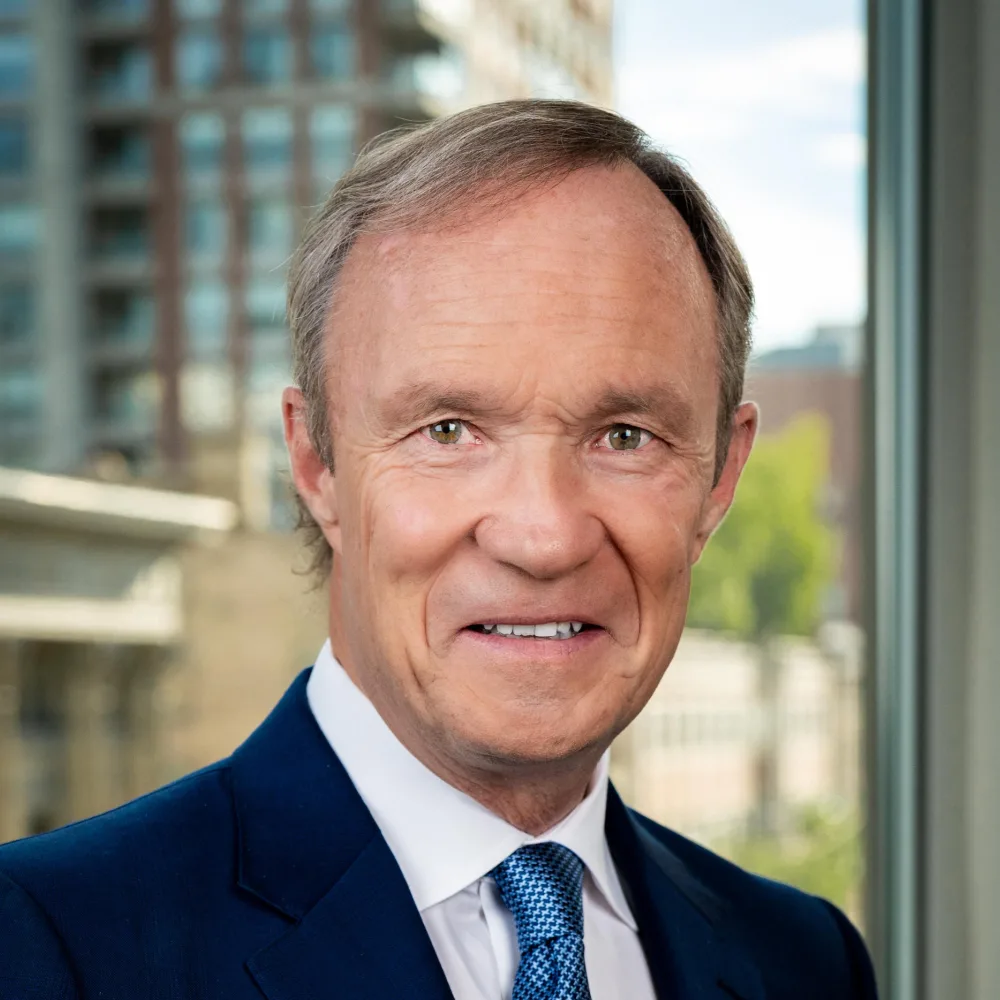
Sean Boyd, Chair of the Board – Agnico Eagle Mines Limited
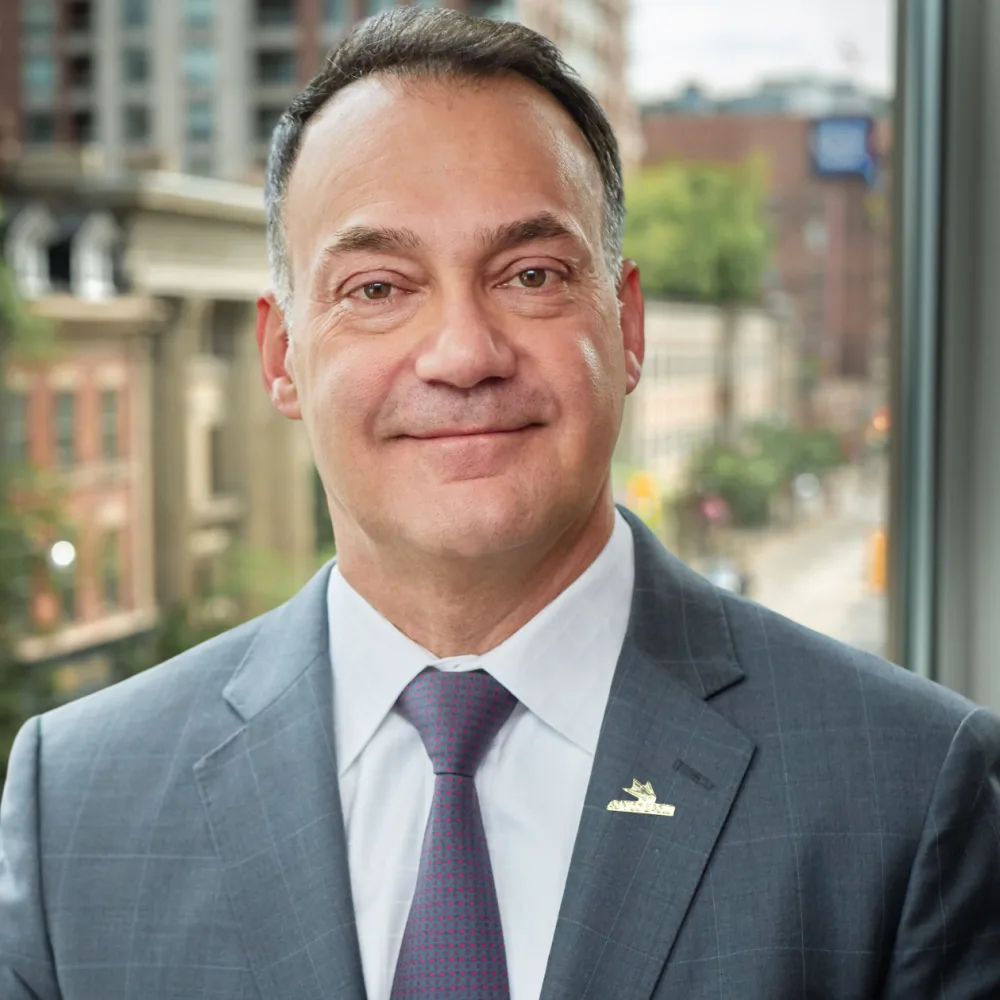
Ammar Al-Joundi, President & Chief Executive Officer – Agnico Eagle Mines Limited