A surprisingly strong May jobs report has reinforced many economists' views that the Canadian economy is not in a recession.
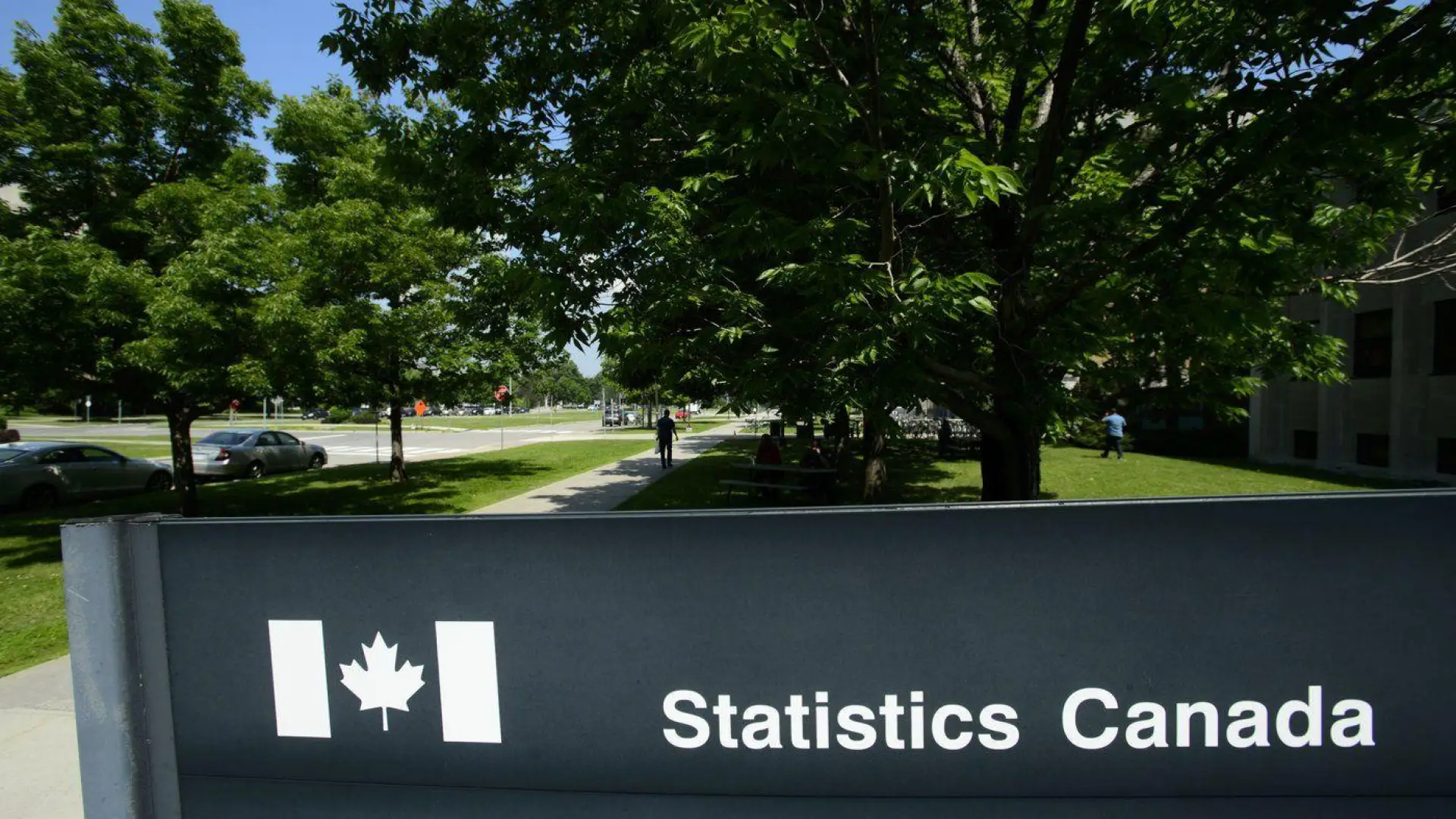
Statistics Canada reported Friday that the economy added 88,000 jobs in May, topping economists' expectations for a gain of 10,000 positions.
The agency said the unemployment rate fell to 6.6 per cent last month, down from 6.9 per cent in April.
The gains for May were the first significant increase in employment since November. The economy had shed 112,000 net jobs in the first four months of 2026.
Nathan Janzen, assistant chief economist at RBC, said the details of the May jobs report were just as encouraging as the headline figures. Despite the usual volatility in the monthly job numbers, he said "there are still signs that labour markets are broadly improving."
Growth last month was concentrated in full-time work, StatCan said, and was widespread across industries.
Construction led the way with a gain of 27,000 jobs, followed by the information, culture and recreation sector and the transportation and warehousing industry. Tariff-sensitive manufacturing also posted job gains in May.
The wholesale and retail trade sector took the heaviest hit with a loss of 35,000 positions in the month.
Janzen said that, given the rapid reversal in population growth trends, tracking the health of Canada's labour market solely by the number of jobs gained or lost can give an incomplete picture. He said trends in the jobless rate have been "choppy" but the general downward trajectory is encouraging.
StatCan also continues to report a low rate of layoffs, Janzen noted, which is not consistent with an economy in recession.
"It reinforces that the broader economic data backdrop that we have in hand right now does not look recessionary," he said.
StatCan reported a week ago that economic growth stalled in the first quarter, though the agency’s flash estimates suggested real gross domestic product was on the rise again to start the second quarter.
Many economists have said recent economic weakness doesn’t yet rise to the bar of a recession despite GDP declining for two consecutive quarters.
The C.D. Howe Institute's Business Cycle Council — the traditional arbiter of whether Canada is in a recession or not — said in a bulletin before the latest job figures were published Friday that it was too soon to use that label based solely on a pair of small quarterly contractions in the economy.
Benjamin Reitzes, managing director of Canadian rates and macro strategist at BMO, said in a note Friday that the solid May jobs report "should silence the recession crowd."
He said the economy continues to show resilience in the face of trade pressures from the United States and the energy price shock from the Iran war.
"Just when you think Canada is crumbling amid a string of negative data points, things reverse. We've seen this story a few times in the past year. The economy isn't booming, but it isn't falling apart, either," he said.
StatCan also said Friday that youth are seeing a better start to the summer job season this year compared with a tough labour market in 2025.
Young workers aged 15 to 24 saw a gain of 99,000 full-time positions in May and the age group’s jobless rate fell for the first time since January. The youth unemployment rate stands at 13.4 per cent in May, still above the pre-pandemic average of 10.8 per cent.
Average hourly wages rose three per cent in May compared with year ago, down from a 4.5 per cent year-over-year increase in April.
The May jobs report marks the last major economic release before the Bank of Canada's interest rate decision on June 10. The central bank has held its benchmark interest rate steady at 2.25 per cent in four consecutive decisions.
Financial market odds for an interest rate hike from the Bank of Canada next week stood at more than 95 per cent as of Friday at noon, according to LSEG Data & Analytics.
The Bank of Canada has signalled its intent to look through short-term inflationary pressures from the global oil price shock, but officials have said they will act to ensure price pressures do not become entrenched.
While a strong jobs report might normally bolster arguments for interest rate hikes from the Bank of Canada, Janzen said the recent quarterly GDP data suggest the economy is still "fragile."
Lingering risks on the U.S. trade and geopolitical fronts could still hamper growth in the months ahead, he said, while the strong job results also make the argument that it's too soon to cut rates further.
"If you balance out the weak GDP data last week with the stronger labour market data this week, it really argues for no rush to change interest rates from where they are," Janzen said.
TD Bank senior economist Andrew Hencic said in a note that "there continues to be a lot of noise in the Canadian economic data," but the strong jobs report reinforces his expectation that activity will bounce back in the second quarter.
He said the economy nonetheless continues to operate below potential — offering an offset to inflationary pressures and allowing the Bank of Canada to remain on hold at next week's meeting.
This report by The Canadian Press was first published June 5, 2026.
a