Prime Minister Mark Carney reminded us recently that leadership requires facing the world as it is. The world no longer tolerates polluters dumping their untreated waste into the ocean. Canada must do the same and deliver on its commitment to ban open net-pen farming of Atlantic salmon in British Columbia by 2029.
Open net-pen feedlots of Atlantic salmon discharge pollution, parasites, and pathogens into coastal waters, with documented harm to wild Pacific salmon. When Minister Murray removed open net-pens from the Discovery Islands, she relied on 59 peer-reviewed studies showing harm to wild salmon. The Federal Court of Appeal upheld her decision, citing the “deeply problematic state of wild salmon.” Even Fisheries and Oceans Canada, usually indistinguishable from the fish farming industry, has linked salmon farm impacts to poor Chinook survival. Both science and the law require us to protect wild Pacific salmon.
The fish farming industry in British Columbia currently benefits from an asymmetrical arrangement: it uses our coastal waters as a dumping ground for its untreated waste, while our degraded environment subsidizes the deployment of sustainable fish farming technology elsewhere. Japan and Norway, and companies based there, fiercely lobby Canada to overturn the ban and preserve this lucrative arrangement. They demand that British Columbia accept and suffer the environmental harm, while they pursue a more responsible future for their industry elsewhere.
For so long as we allow them to pollute for free, they will not pursue sustainable systems here.
British Columbia is now the last jurisdiction on the Pacific coast of North America that allows open net-pens of Atlantic salmon. We should be ashamed of this, not proud. The commitment to remove open net-pens from our Pacific coast must be honored, not diluted, delayed, or quietly abandoned through incremental concessions that preserve the status quo. Putting a tarp around an open net-pen does not stop wastewater being pumped into the ocean and cannot be described as “closed” or “contained”, no matter how much some quarters wish it were so.
There is an alternative. Land-based farms separate farmed fish from wild populations. They eliminate the exposure of already endangered wild Pacific salmon to sea lice, viruses, bacteria, and other contaminants flowing from open net-pen operations. Fully closed land-based systems are what industry is increasingly evolving toward globally, and it is a sector British Columbia can lead if we don’t squander the opportunity before us.
Today in Japan, Proximar Seafood, sponsored by Grieg Kapital from Norway, is selling Atlantic salmon raised on land to Asian markets under a long-term offtake agreement with Marubeni. The market signal is unmistakable: the future of finfish aquaculture is cleaner and more sustainable.
Happily, the economic, scientific, and cultural cases align. One hundred and thirty BC First Nations continue to call for an end to open net-pen farming. Polling consistently shows British Columbians want the same. The larger wild salmon economy supports thousands of jobs, sustains communities, and ensures the culture and food security of First Nations that farmed Atlantic salmon cannot.
We can build an aquaculture sector that strengthens, rather than undermines, British Columbia’s natural advantage. This requires keeping the promise to remove all Atlantic salmon open net-pens from the Pacific Ocean by 2029 and rejecting any extension or half measures. In the interim, we must retrain workers for jobs in a resurging wild salmon economy and encourage land-based farms. Crucially, the broader value chain- processing, distribution, and export logistics- already exists. It would function regardless of whether fish are raised in ocean pens or in land-based systems.
In 2024, Canada made the smart policy choice for British Columbia: a transition to closed containment. Now, Canada must deliver on that choice.
This is the practical path. It protects wild Pacific salmon, advances reconciliation, supports rural and coastal communities, and positions Canada to lead a modern, sustainable aquaculture industry. It is the rare policy choice that is economically sound, environmentally necessary, and politically popular.
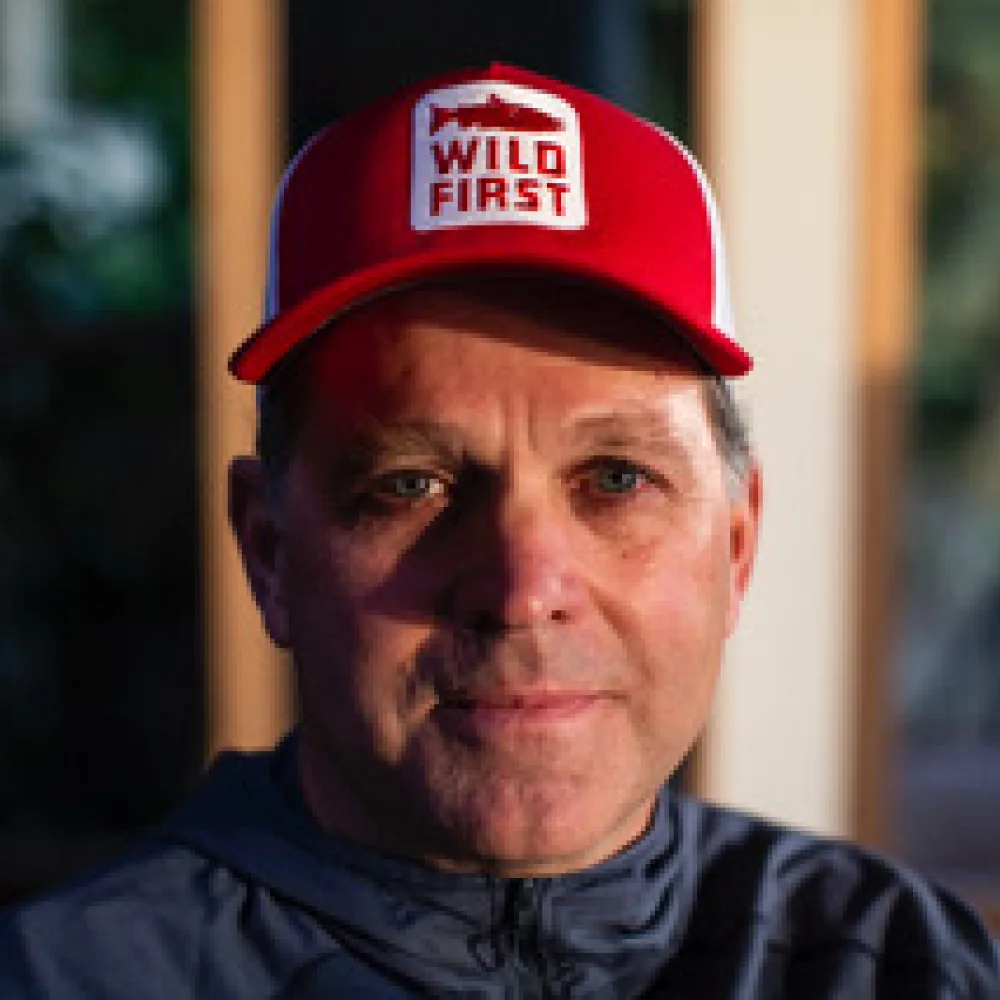
Tony Allard - Chair, Wild Salmon Forever/Wild First
The views expressed are those of the author(s). National Newswatch Inc. publishes a range of perspectives and does not necessarily endorse the opinions presented.