The investment prospectus prepared for this week’s summit runs to 66 pages and 167 projects. Five of them are graphite. Every one of the five finishes to a battery.
That is the gap, and it is worth being blunt about what it means. Canada digs a mineral that NATO counts as critical to defence, ships the concentrate out, and buys back the usable product from somebody else. If sovereignty means anything at all, that should offend us. Not because of who our neighbour happens to be this year. Because the mineral is ours and we are handing away the step that carries the leverage.
One project in the deal book does finish a mineral to nuclear specification. It is described there as Canada’s first uranium refining and conversion facility in more than forty years. The logic is obvious and nobody disputes it. A reactor customer cannot buy uranium oxide, it buys the converted product, to a specification, with a certificate attached. That reasoning was applied to uranium. It has not been applied to graphite, it should.
The policy is already written, and written well. In March the Minister of Energy and Natural Resources called secure critical mineral supply chains national security and sovereignty. At the PDAC convention the same day he named the thing exactly: "the processing facility that is just out of reach." February’s Defence Industrial Strategy records that Canada already produces ten of the twelve minerals NATO classes as critical to defence, graphite among them. In June, Canada and France agreed to explore supply from our strategic critical minerals stockpile, starting with graphite. Four statements of intent in seven months, and not one of them names the step.
Our allies named it. The United Kingdom put £13 million behind a sovereign nuclear graphite supply in August 2025, on the stated premise that it imports all of it. The United States Department of Energy’s 2026 budget request funds activities to establish a domestic nuclear graphite supply chain. Canada’s own Nuclear Energy Strategy, published in June, lists heavy water, heavy forgings and nuclear grade alloys as the supply chain priorities. Graphite is not on the list.
The timing is the part that should worry a finance minister. Nuclear and defence buyers qualify a material on consistency across production lots over years, and a country that waits for the order before building the capacity will not have it when the order arrives.
The money exists. The Canada Critical Minerals Accelerator, launched in July with two billion dollars, can take equity, lend, guarantee and sign offtake. The First and Last Mile Fund covers the dreaded midstream, the Clean Technology Manufacturing credit returns thirty percent of eligible capital, and the federal stockpile already names graphite among its six minerals. None of this requires a new programme, it requires naming the step.
My interest here is direct. Zentek owns the Albany graphite project in Northern Ontario outright, and we have purified Albany material at bench scale with no hydrofluoric acid at any stage. We would like the finishing built in Ontario, near the deposit we already own. Other Canadian companies are working on the same step, some with federal support, and a country that wants this capability should want more than one of us to succeed.
On Friday in Gander, at the twenty fifth anniversary of September 11, Jean Chrétien was talking about the relationship with the United States, not about what we build at home. The line still fits.
"Building a country like this, with this climate and this geography, is a sign of toughness, not of weakness."
The Right Honourable Jean Chrétien, Gander, September 11, 2026
He is right, and the evidence is there; we built a railway across a continent that did not want one, a seaway through rock, and a reactor design of our own, none of it was the prudent option at the time. Somewhere since, in resources in particular, we picked up the habit of stopping at the mine gate, and forty years of individually defensible decisions later we supply the world and do not set the terms.
Canada mines what the world wants, the decision in front of Canadians is whether we finish it here and become a net exporter of a high value input material.
We have the material, we have the talent, we have the communities, and we also still have a gap. So here is the one change worth making. When Canada buys a critical mineral for its own stockpile, or supplies one to an ally, buy it finished to the customer’s specification rather than as concentrate. That single procurement rule would build domestic finishing capacity faster than any new fund, and it costs nothing to adopt.
And one question for the table before the next critical minerals decision is signed: at what specification does the product leave Canada. If the answer is concentrate, the next question is what it would take to change that.
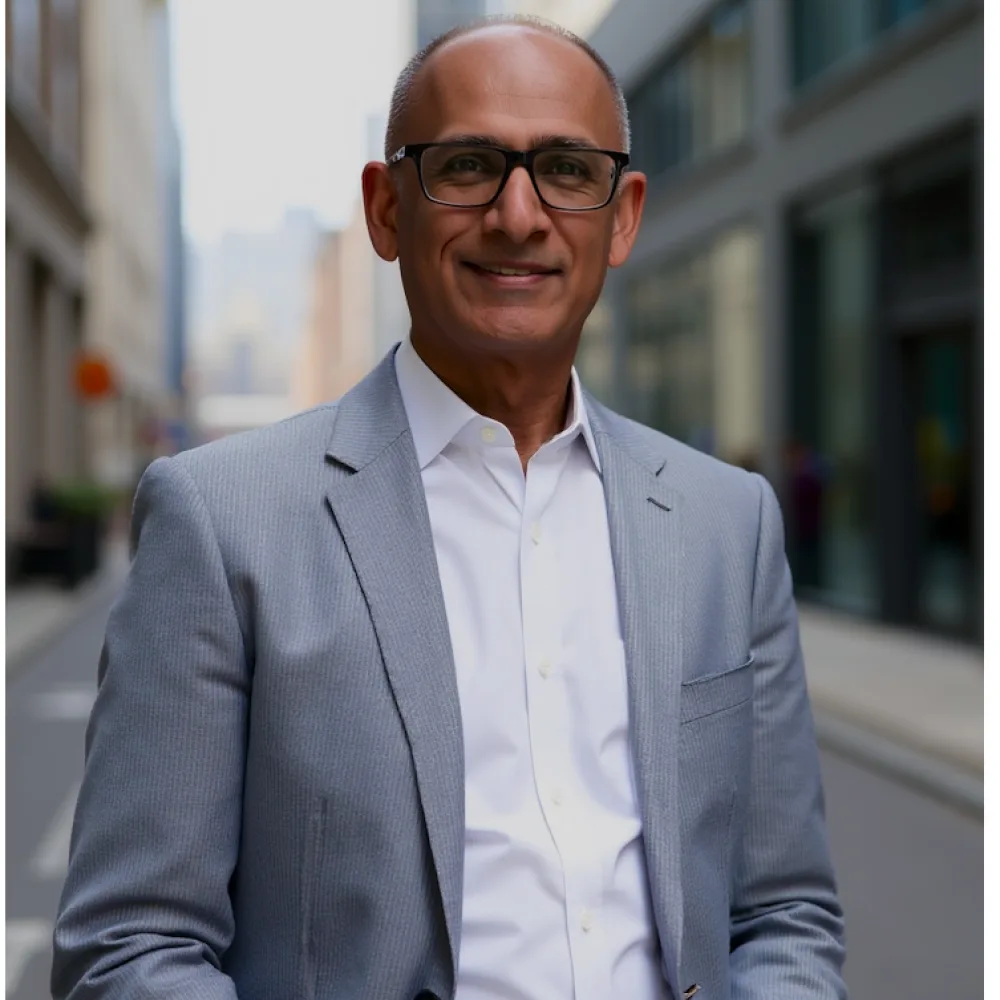
Mohammed (Moe) Jiwan is Chief Executive Officer and a director of Zentek Ltd. (TSXV: ZEN, OTCQX: ZTEKF). This is a sponsored opinion paid for by Zentek Ltd.