
Climate change is testing the resilience of communities, economies and infrastructure worldwide. From extreme heat and devastating wildfires to heavy rainfall and typhoons, its impacts are increasingly evident. Taiwan faces these challenges alongside the rest of the world, underscoring the importance of collective action to reduce greenhouse gas emissions, strengthen resilience and accelerate the transition to a sustainable future.
As the international community prepares for the 31st United Nations Climate Change Conference (COP31), global climate governance is shifting from setting targets to delivering measurable results. Climate commitments matter, but their credibility ultimately depends on concrete action, transparent governance and sustained international cooperation.
Although Taiwan is not a party to the United Nations Framework Convention on Climate Change (UNFCCC), it continues to pursue climate action in the spirit of the Paris Agreement. Following the submission of its 2035 nationally determined contributions in 2025, Taiwan has approved greenhouse gas reduction action programs for 2026 to 2030 covering six major sectors, supported by 20 flagship mitigation plans, annual emissions targets and 63 performance indicators.
Transparency is central to these efforts. Taiwan follows internationally recommended frameworks for greenhouse gas reporting and regularly publishes national emissions inventories, nationally determined contributions and biennial transparency reports. These measures enable Taiwan to monitor progress, evaluate policies and translate climate commitments into measurable outcomes.
The results are encouraging. In 2024, Taiwan's net greenhouse gas emissions were 6.59 percent below 2005 levels, marking the third consecutive year of decline. Over the same period, carbon dioxide emissions intensity fell by 48.59 percent while real GDP continued to grow, indicating a gradual decoupling of economic growth from carbon emissions.
Carbon pricing is another important component of Taiwan's climate strategy. In 2026, Taiwan began collecting carbon fees, generating approximately C$213 million (NT$4.97 billion) for its Greenhouse Gas Management Fund, which supports emissions reduction and climate adaptation. The fund also provides loan credit guarantees, interest subsidies and support for reduction technologies to encourage private investment in the net-zero transition. Taiwan is progressively developing the Taiwan Emissions Trading System (TW-ETS), which will operate alongside its carbon fee framework.
Taiwan's carbon pricing framework is also establishing links with international systems. The United Kingdom has recognized Taiwan's carbon fee as a qualifying carbon pricing scheme under its Carbon Border Adjustment Mechanism, allowing eligible Taiwanese products to claim carbon-price deductions in accordance with applicable rules. This development marks an important step in connecting Taiwan's carbon pricing framework with international systems.
Beyond emissions reduction, Taiwan is advancing a circular economy through amendments to the Resource Circulation Promotion Act and the Waste Disposal Act, shifting resource management from waste disposal toward governance across the entire product life cycle. Its circular economy sector includes 69 publicly listed companies generating more than NT$1 trillion in annual revenue. Through legislative reforms, industrial collaboration and digital innovation, Taiwan aims to improve resource efficiency, strengthen supply chain resilience and enhance green competitiveness.
Climate adaptation is equally important. Taiwan is strengthening preparedness for extreme heat, including planning around temperatures reaching 40 degrees Celsius. Its National Green Canopy Program combines urban forestry with LiDAR remote sensing, three-dimensional digital twin technology and microclimate analysis to identify heat hotspots and improve urban resilience. These measures aim to strengthen urban resilience against extreme climate events and natural disasters.
Recognizing that climate policies affect workers, industries and communities, Taiwan has made leaving no one behind a core principle of its net-zero transition. Through stakeholder consultations across six major sectors, Taiwan is developing a nationwide just transition action plan. Its efforts include green-collar talent development, supporting the low-carbon transition of small and medium-sized enterprises, and assisting vulnerable groups and local communities affected by the transition.
Taiwan's commitment to climate cooperation extends beyond its borders. Following a memorandum of understanding on Paris Agreement cooperation signed in 2025, Taiwan and Paraguay are advancing 12 environmental governance action plans involving technology sharing, circular economy cooperation and youth exchanges. These initiatives demonstrate how practical partnerships can translate climate commitments into tangible results.
As global climate governance enters a critical phase focused on implementation and measurable outcomes, Taiwan will continue to deepen international partnerships, share its experience in the net-zero transition and contribute practical solutions to global climate challenges.
Taiwan seeks international support for its meaningful participation in the UNFCCC and global climate governance. Achieving the goals of the Paris Agreement requires the participation of every partner with the capacity and willingness to act. Taiwan stands ready to work with the international community to turn climate commitments into action and build a more resilient, sustainable net-zero future.
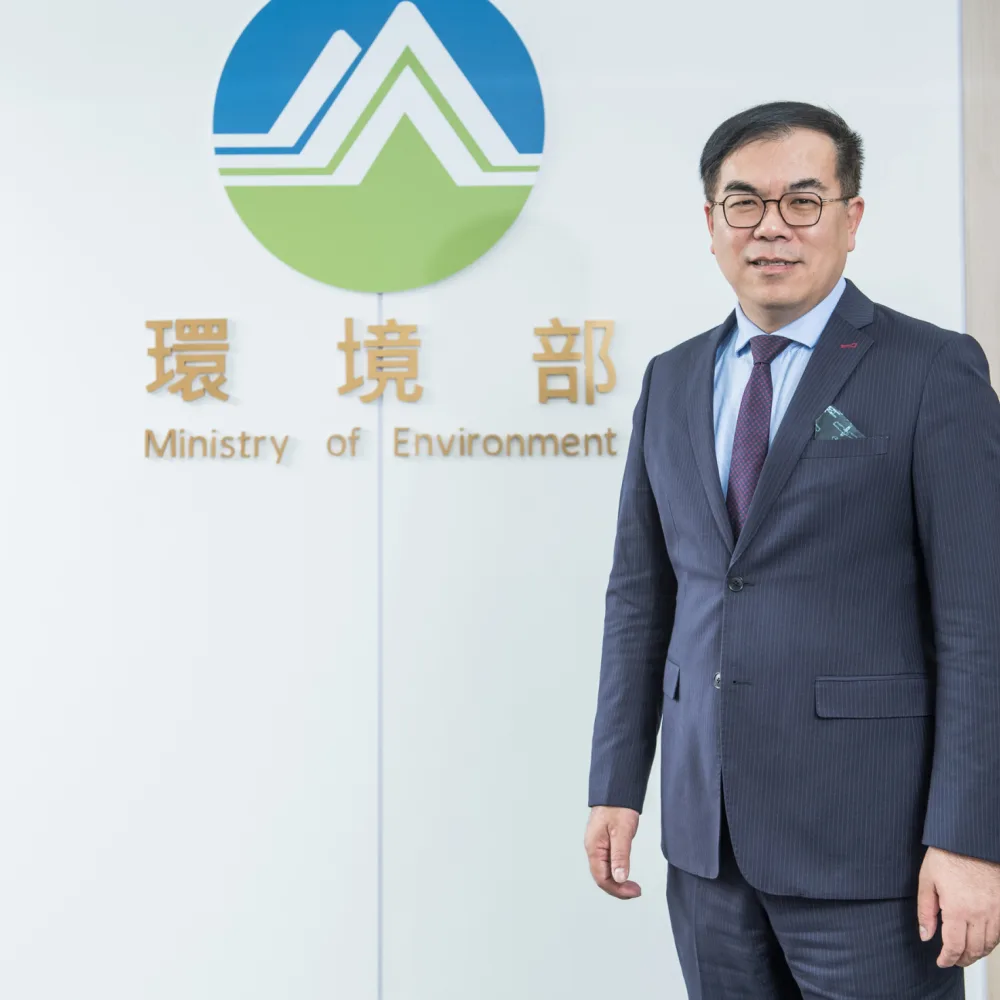
Peng Chi-ming, Minister of Environment, Taiwan