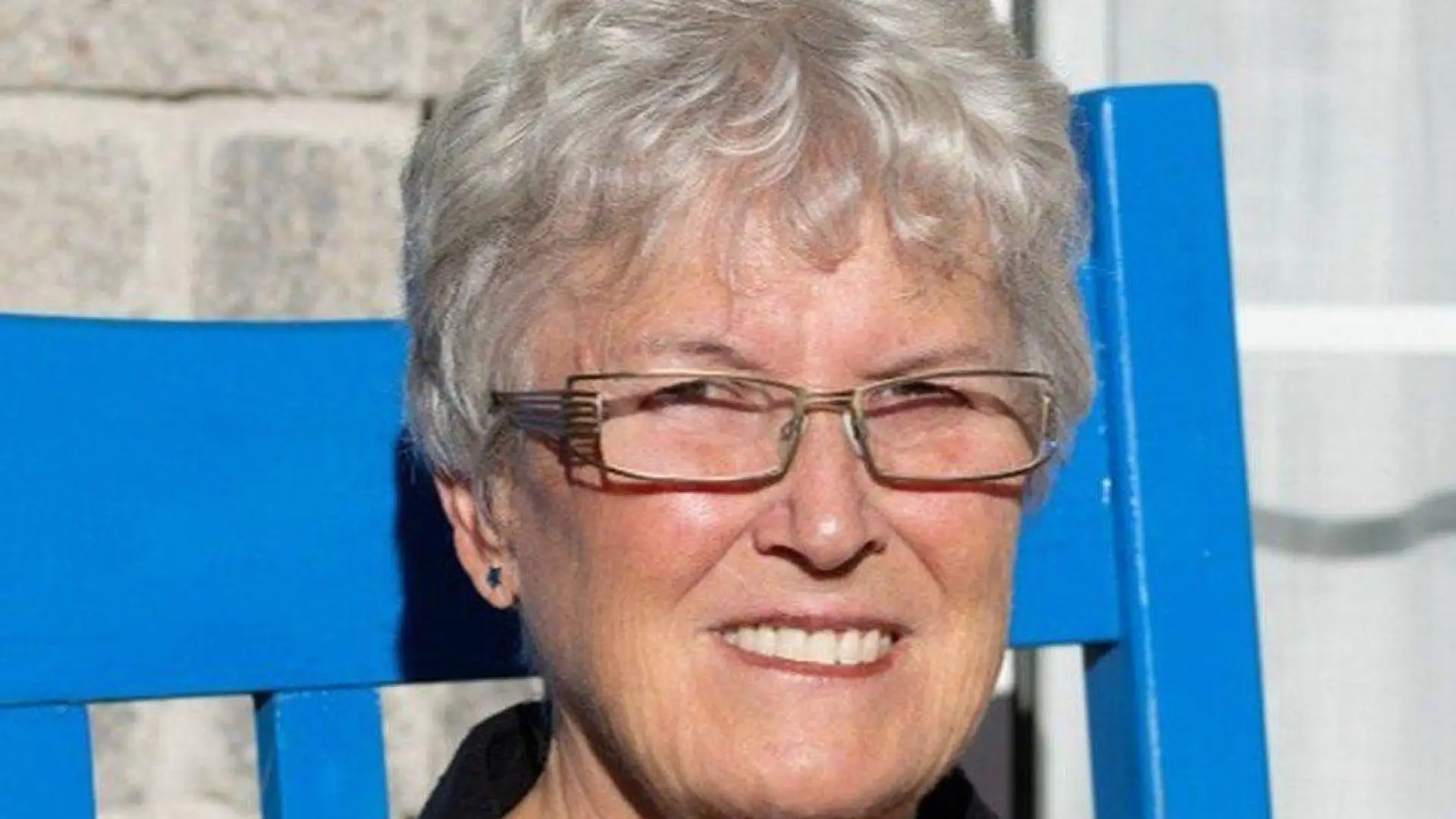
OTTAWA -- Virginia Hicks did not know when the Royal Canadian Legion chose her as Canada's Silver Cross mother in June that a deadly training accident would soon cast a shadow over this year's Remembrance Day ceremonies.
Hicks lost one of her own daughters, Mariebeth Short, in a military training accident 24 years ago.
Hicks said she was shocked to learn of the fire that broke out during a training exercise at Canadian Forces Base Wainwright, Alta., last month, claiming four lives and injuring dozens more.
"When we were watching the news, my husband and I, we heard about the accident in Wainwright and it was like someone had poured cold water over you. It was like, oh my God, not again -- and with such numbers." Hicks told The Canadian Press in an interview.
"You think, those parents, I can feel their heart. I know what they're going through."
Hicks said many Canadians do not understand that "the grief is the same" when tragedy strikes during peacetime.
"When someone dies in theatre, everybody is very sad. Oh my God, he was in Kandahar, he was in Kabul, he was in Bosnia, he was in Latvia. That is tragic because they've died away from their loved ones. They've died in a different country," she said.
"But when someone is in Canada and is training and they die in training, that's just as important because they are training to go over to these places where the government has put our name on the line saying we can go."
Hicks, who lives in Frankford, Ont., will lay a wreath at the National War Memorial during the Remembrance Day ceremonies in the capital on Wednesday on behalf of Canadian mothers whose children died in military service.
Her daughter Mariebeth Short, a sapper in a combat engineer regiment, died in 2002 when the light armoured vehicle she was travelling in rolled over in Petawawa, Ont.
Sapper Short was 4 foot 11 and about 95 pounds. Hicks described her daughter as smart, funny and extremely confident -- a spirited personality who relished any opportunity to surprise those who underestimated her.
"You could never give her a task that she would not complete, regardless of how long it took her," Hicks said. "Anybody that worked with her gave her 100 per cent credit because they at first assumed that she couldn't do the hard jobs.
"She was just as big as the six-foot fellows in her unit and anybody else that wanted to contest her, she showed them they were wrong."
Short was 22 when she died. She would have turned 46 in January.
Short joined the forces in 2000. She wanted to see the world and find a career she could be proud of, Hicks said.
Short came from four generations of military -- both her parents served. Hicks had served for more than ten years when her daughter died,
On Sept. 23, 2002, Short called her mother at work and said she was really excited because she was first on the list to drive the LAV during training.
Just before the accident, Short had switched positions with another combat engineer so she could stand outside the gunner's hatch to watch what was going on.
As the vehicle came down the hill, its tires caught in an old trench. The front left wheel assembly snapped off, causing the vehicle to roll over twice.
Hicks and her husband Brian had just moved into a new home in Halifax. Brian was finishing up some odd jobs outside the house at around 7 p.m. when a vehicle with military plates pulled into the driveway. He quickly recognized the padre from his collar badges.
Within 24 hours, a grieving Hicks and her husband were on a plane to Ottawa and headed to CFB Petawawa.
It still took just over a year after the accident for Short's family to learn what the official investigation concluded. That news came on Nov. 11, 2003, a day before Hicks was deployed to Kabul, Afghanistan. It would take many more months for her to obtain the accident reports.
They concluded the vehicle's front wheel assembly had a substandard weld.
The information changed Hicks' view of the accident -- it was not the fault of anyone involved in the training, she said, but was caused by someone on the factory floor.
The family tried to sue the manufacturer but the company went on to declare bankruptcy. She never got closure.
Every year, Hicks visits the site where the accident happened.
"They've allowed us go back into the regimental buildings and to the monument that they have created for their fallen members," Hicks said of the Canadian Armed Forces. "For me, the military was more supportive than the manufacturer. There was never any, 'I'm sorry.'"
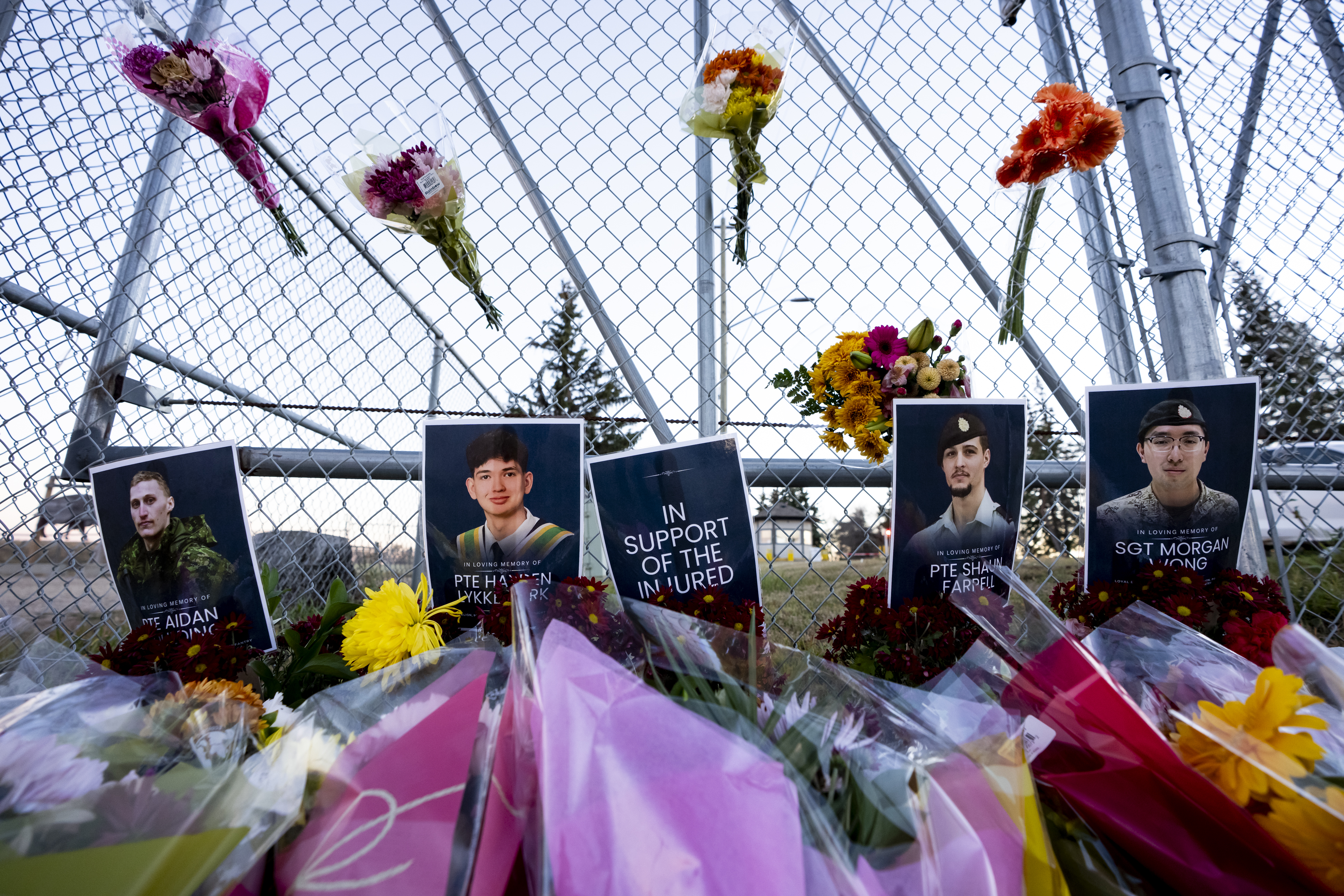
The military has been accused of being too slow to release details about the incident in Wainwright, which is now subject to three separate investigations.
Sgt. Morgan Wong of Edmonton, Pte. Shaun Farrell of Prince Albert, Sask., Pte. Aidan Goulding of North Vancouver and Pte. Hayden Lykkemark of Langley, B.C., were killed in Wainwright last month when strong winds suddenly swept up a grass fire and carried it across the training range.
As of Nov. 4, 14 of the personnel who suffered burn injuries had been released from hospital while 25 remain hospitalized, according to the Department of National Defence.
Hicks said her message to those affected by the Wainwright tragedy is to hold tight and be patient, as difficult as that can be after a catastrophe.
"I know it's a hard thing to say, but the military will find out what happened, why it happened," Hicks said.
"Allow them the time to do the investigation so there's no rumours or innuendoes or whatever is in your mind. Let them do their job. They're good at their job."
This report by The Canadian Press was first published Nov. 10, 2026.