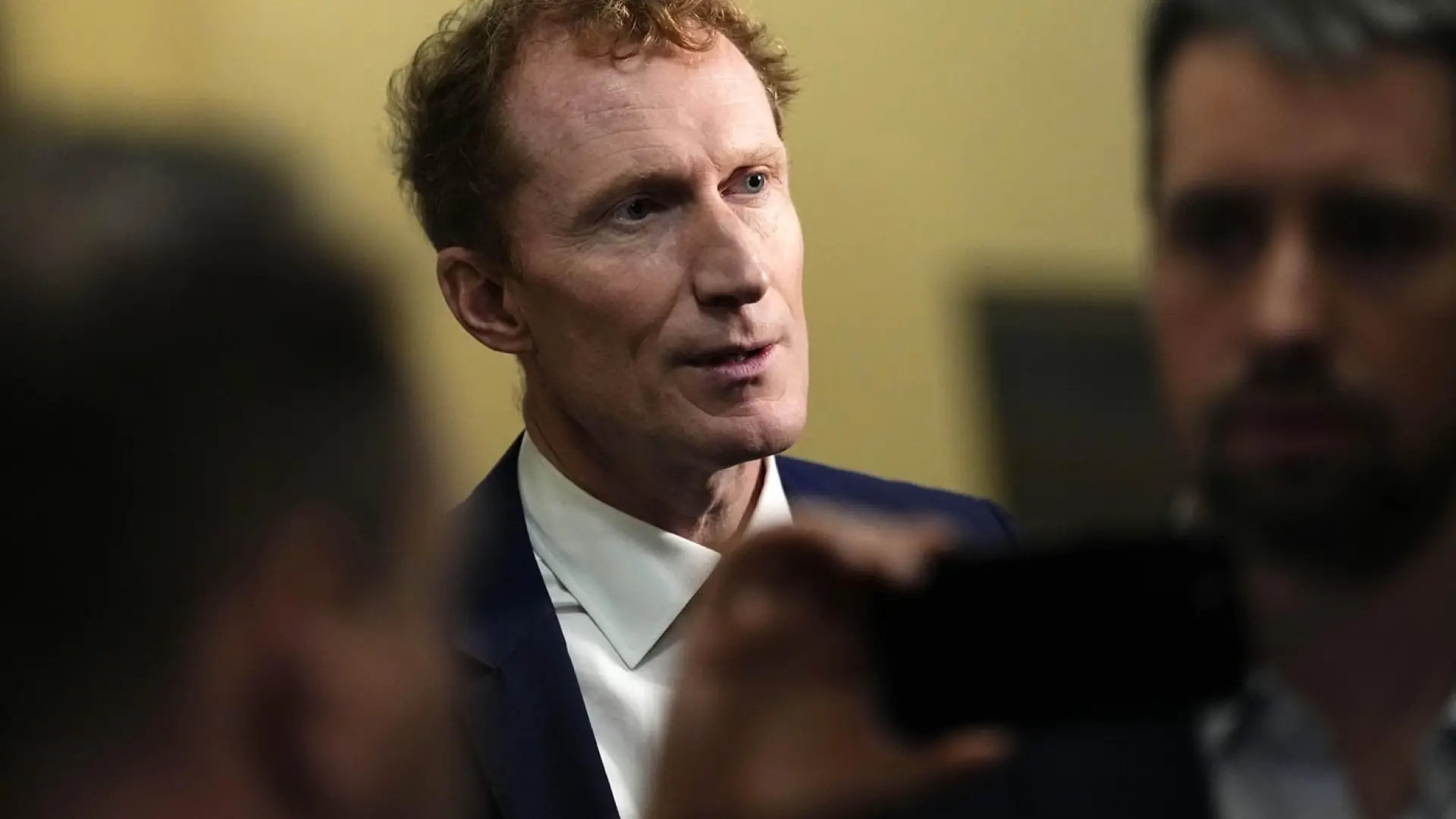
OTTAWA -- Culture Minister Marc Miller said Wednesday he won't talk about any discussions the government has had with Meta about restoring news content to the company's platforms in Canada.
A day after Politico reported the company and the government were close to a deal before trade talks with the United States collapsed in August, Miller told reporters the discussions with Meta are confidential.
"Meta could always put news back online. They are the ones who removed it," he said in French.
Meta blocked news from its platforms, including Facebook and Instagram, after the Online News Act became law in 2023. The bill requires Meta and Google to compensate news publishers for the use of their content.
Citing an unnamed official, Politico said Meta put forward a proposal that would see it stop blocking news content in Canada, pursue commercial deals with publishers and fund two positions at the Canadian Journalism Collective.
In exchange, it would obtain an exemption from the law. Google already has an exemption, which it received after agreeing to pay $100 million to Canadian news outlets.
Politico reported the proposal was part of the wider U.S.-Canada trade negotiations. Ottawa shut down those talks in August after accusing the White House of demanding last-minute changes that threatened Canada's sovereignty.
Meta declined to comment on the Politico report Wednesday.
Paul Deegan, president and CEO of the publishers' group News Media Canada, said in an email Meta should only be exempt from the Online News Act if the company provides "fair compensation to Canadian news businesses just as Google has. They should not get our content for free."
"Canada should not return to the dark days prior to the Online News Act when Google and Meta were picking the winners and losers" in Canadian media, he added.
In a brief interview, Deegan said before the Online News Act became law, Google and Meta were signing content licensing agreements with large news publishers but with not smaller independent publishers.
"You don't want to have a situation where they're only doing deals with the few, and then frankly potentially have outside influence with some of those publishers. Whereas if they're doing deals with everyone, then everyone is under the same terms. And that's really our concern if there's any weakening of the Online News Act," he said.
Kevin Desjardins, president and CEO of the Canadian Association of Broadcasters, said in an email a "deal is never a deal until it's done, and how 'close' it was is in the eye of the beholder."
He said the door has always been open to "Meta receiving an exemption from the Online News Act, as Google already has, provided that they offer something of true value to compensate news publishers for the various ways they make use of their content, including in their AI products."
This report by The Canadian Press was first published Nov. 18, 2026.