No Canadian hockey fan would accept a referee who also coaches the home team.
Yet that is the arrangement on the B.C. coast. Fisheries and Oceans Canada (DFO) is charged with protecting wild salmon. It is also charged with promoting salmon farming. And, it is the department that judges whether those farms are harming wild fish.
This is not an attack on the scientists at DFO. Many do excellent work. It is a challenge to a structure that hands their department the whistle while dressing it in the home team’s colours.
Justice Bruce Cohen identified the problem in 2012, after his inquiry into the decline of Fraser River sockeye. “As long as DFO has a mandate to promote salmon farming, there is a risk that it will act in a manner that favours the interests of the salmon farming industry over the health of wild fish stocks,” he wrote.
His remedy was explicit: remove from DFO’s mandate “the promotion of salmon farming as an industry and farmed salmon as a product.”
In 2018, DFO reported that the government had acted on all 75 of Cohen’s recommendations. On this one, the “action” was a statement that the department’s oversight of salmon farming “is consistent with its mandate.” In 2023, the House of Commons fisheries committee cited this a “conflict of interest” and called for the recommendation to be addressed.
The need for independent scrutiny is clearest where the science is contested.
The federal assessments often cited to show that salmon farms pose “minimal risk” looked at nine pathogens and how they might affect Fraser River sockeye in one area, the Discovery Islands, under existing farm practices. They did not assess sea lice; the parasite Ottawa moved to control more tightly when it renewed farm licences in 2024.
That is not a clean bill of health for open-net-pen farming. Yet in 2023, court records show, DFO relied on those assessments when it recommended that the minister relicense all 15 Discovery Islands farms. The minister declined. In January 2026, the Federal Court of Appeal upheld her decision.
A separate 2023 DFO report found no significant association between lice on farms and lice on wild juvenile salmon. Sixteen university and independent scientists said it “falls far short of the standards of credible independent peer review and publishable science.”
Scientific disagreement is not itself evidence of wrongdoing. But when the department assessing an industry also supports its development, outside review is essential, not optional.
Transparency matters for the same reason. When a conservation group sought the data behind that sea-lice report, the Information Commissioner found that neither DFO nor the companies involved had justified withholding it. In January 2025, she ordered full disclosure.
That finding does not settle the science. It does show why Canadians are right to want more than the department’s assurances.
It matters now because Ottawa has promised to end open-net-pen salmon farming in B.C. by June 30, 2029. In August, Fisheries Minister Joanne Thompson said the ban is “certainly still in place.” But the final transition plan promised for 2025 has not appeared.
A deadline without a plan is just a date.
Ottawa should:
- finally remove salmon-farming promotion from DFO’s mandate;
- establish independent review of aquaculture science;
- publish a funded transition plan, developed with all BC First Nations, and with one minister accountable for delivering it;
- require any replacement systems on land or in the ocean to capture waste and treat wastewater before discharge.
Cohen named the structural problem 14 years ago. Ottawa does not need more time to understand it. It needs to act.
Wild salmon are not asking for a friendly referee. Just one who isn’t wearing the home team’s jersey.
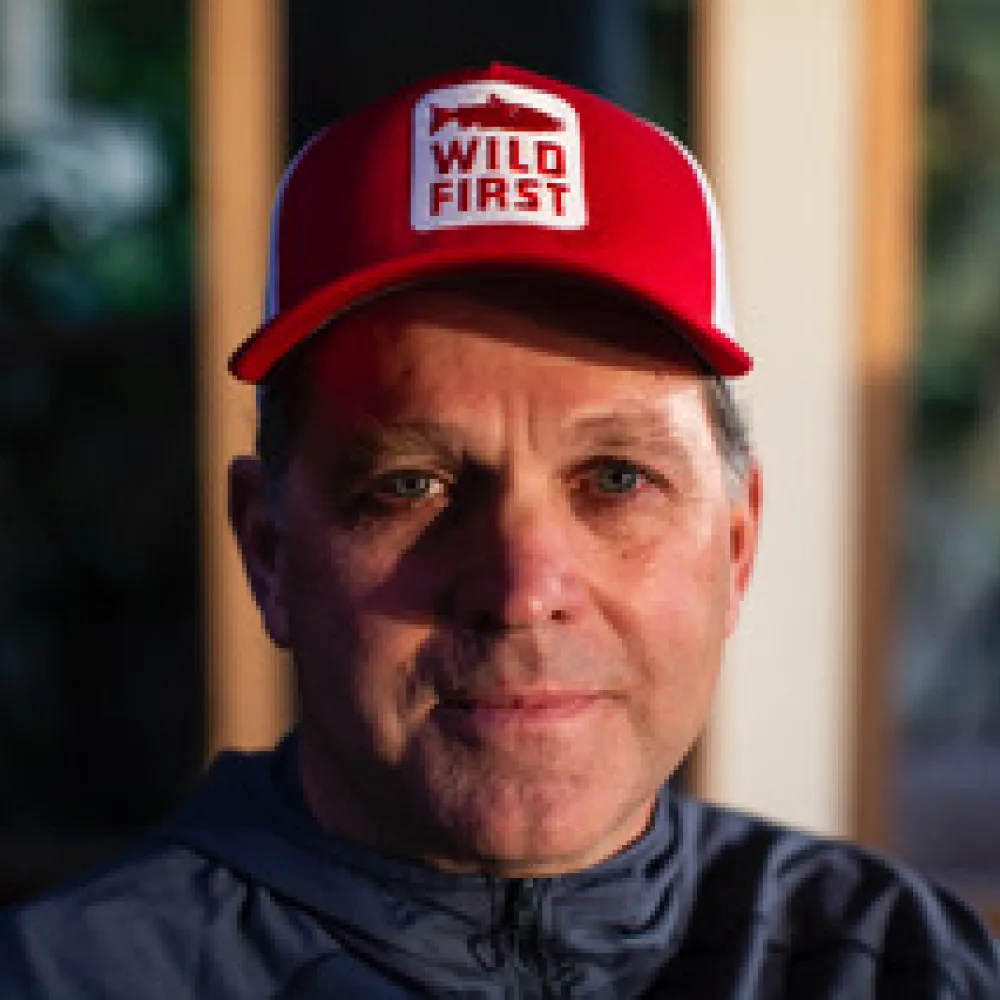
Tony Allard is chair of Wild First, a business group that advocates for wild Pacific salmon in British Columbia.
The views expressed are those of the author(s). National Newswatch Inc. publishes a range of perspectives and does not necessarily endorse the opinions presented.