Okay, let’s get to some real analysis of all this.
I love reading Michael Ignatieff’s writings. His political career was nothing short of disastrous, but there are few analysts who can match his commentary. Especially when it comes to international affairs. I won’t ever forget sitting in a Budapest park a few years ago listening to him talk about Hungarian leader Viktor Orban’s leadership style. This week, The Walrus convinced Ignatieff to try to make sense of the Venezuela story and Donald Trump’s decision to invoke his expansionist plans, invade the country, kidnap its President, and take over its oil fields. All of that, plus what it means for us. Check it out:
After Venezuela, the Unthinkable Enters Canadian Politics

Some sober second thought (translation: analysis) on all this coming out of the Canadian Senate, too.
Senator Peter Boehm has the background to know of what he speaks so he wrote this for Policy Magazine:
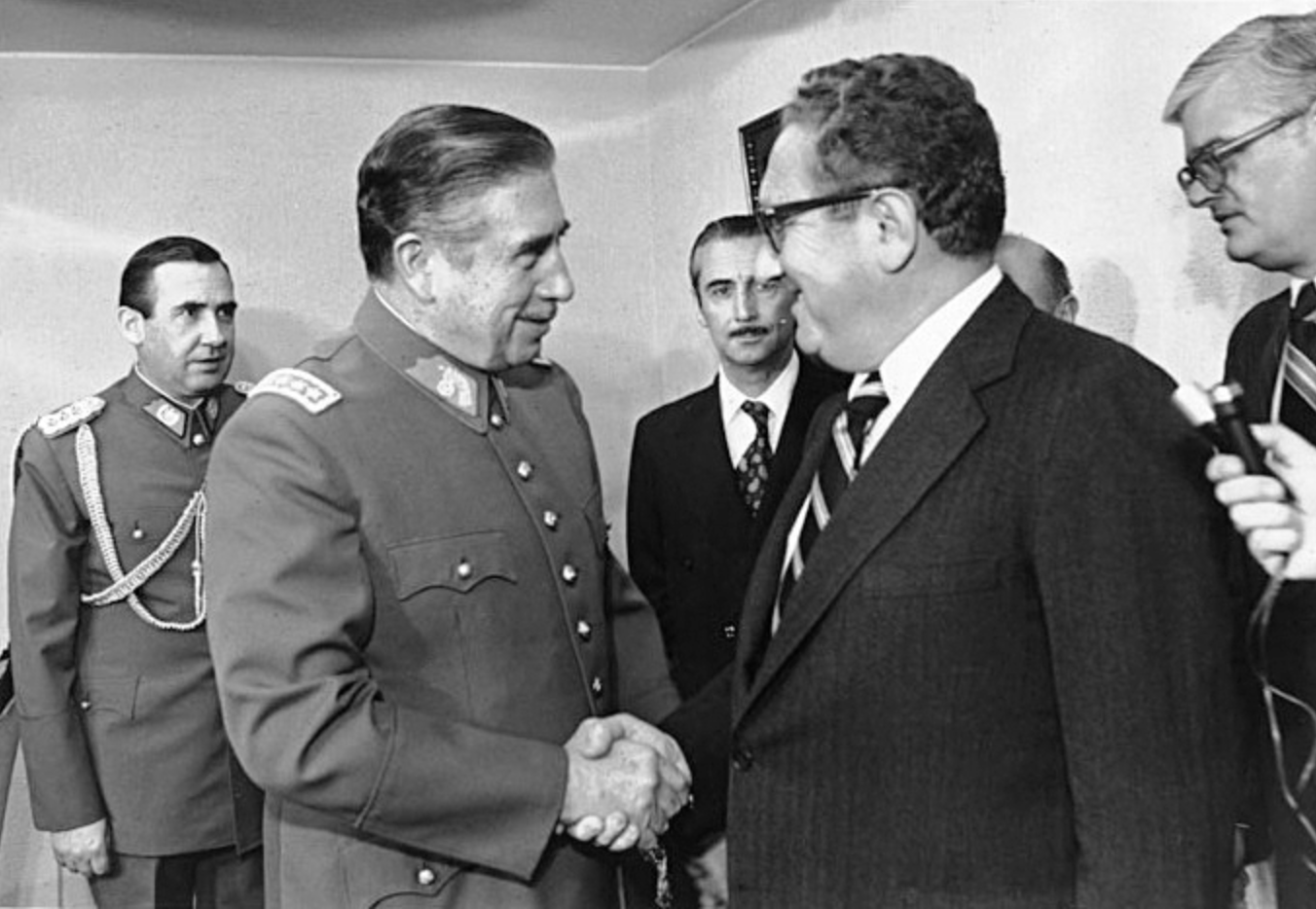
There Goes the Hemisphere: History, Diplomacy, and Trumpian Intervention
Okay, now to the raw politics of all this and the nagging question we have been asking for years.
Why do normally sane Republican legislators, and some just ordinary Americans, roll over and purr no matter what Donald Trump’s latest outrageous move might be? The Globe’s Gary Mason took a run at that:
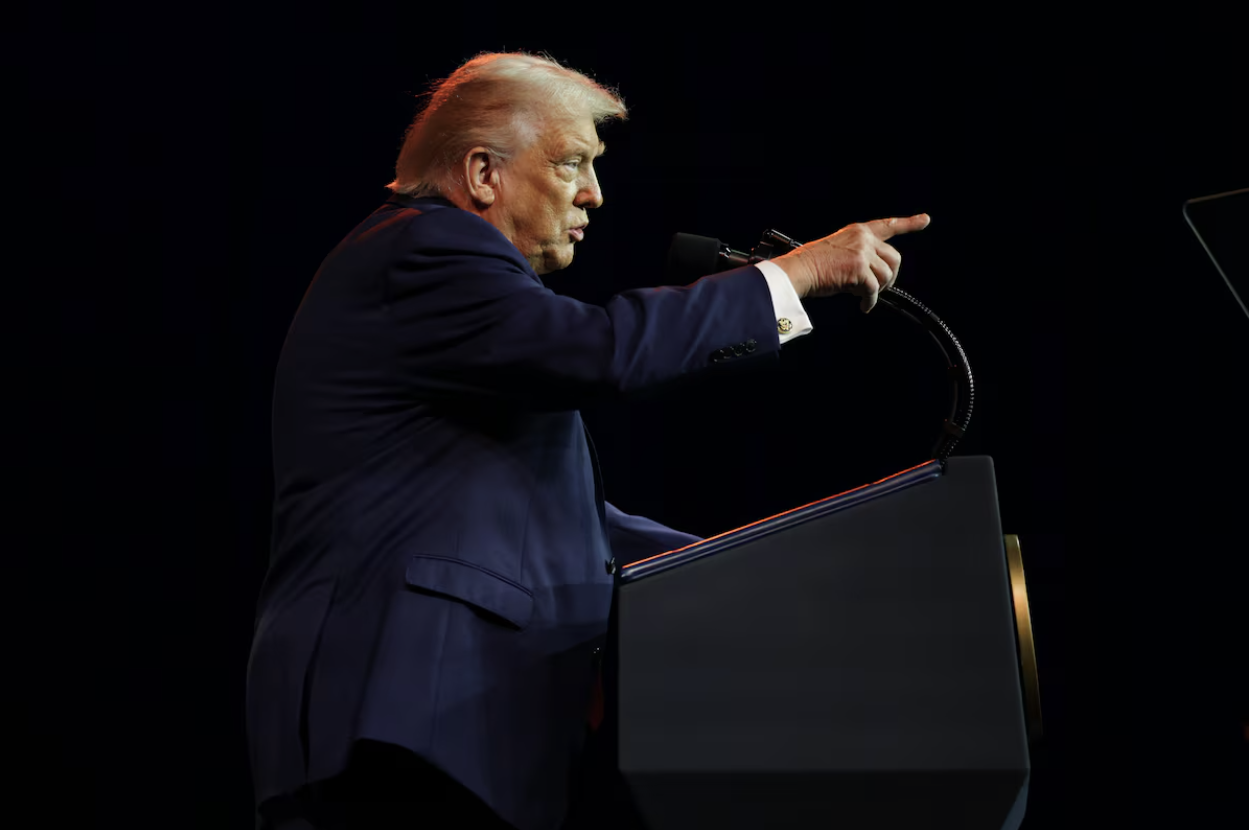
🔒 Opinion | America’s shocking silence in the face of Trump’s outrages
And then there’s Pierre Poilievre.
What was he thinking when mere moments after American troops hustled Victor Maduro and his wife out the gates of their Caracas estate, the Conservative leader (at least for another few weeks) praised Trump? Sharan Kaur took a run at that for CTV News:
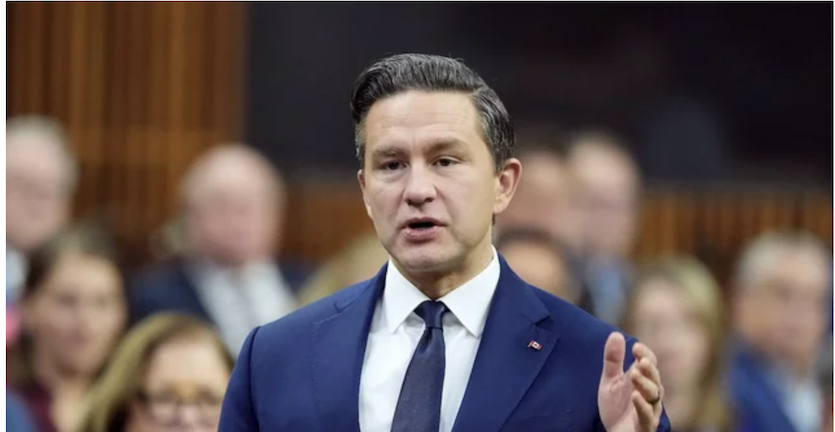
Opinion | Sharan Kaur: The dangerous precedent of Poilievre’s support for Maduro’s arrests
With all the talk of floor crossings (and that talk continues with new rumours every day), it’s nice to hear an MP openly discuss the choices facing her.
Lori Idlout is the NDP member for Nunavut. She was very upfront this week about what’s been happening to her and the conversations she’s been having about her parliamentary future. Right now, she’s not going anywhere, but that may change. Devon Tredinnick of CBC talked with her this week:
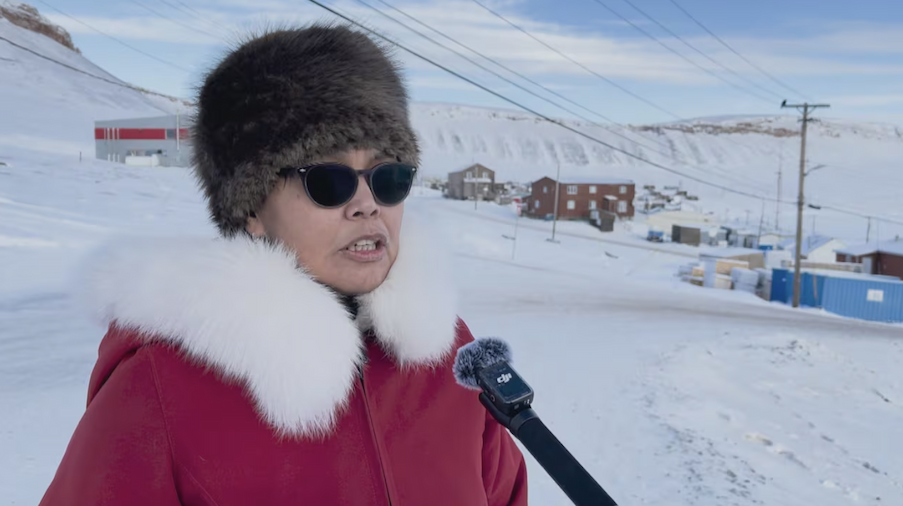
Nunavut MP says she won’t cross the floor to join Liberals ‘at this point’
While the Liberals are on the edge of a majority, they aren’t there yet, and they may never get there.
There are variables which could impact things significantly. Like byelections, the latest caused by Chrystia Freeland:
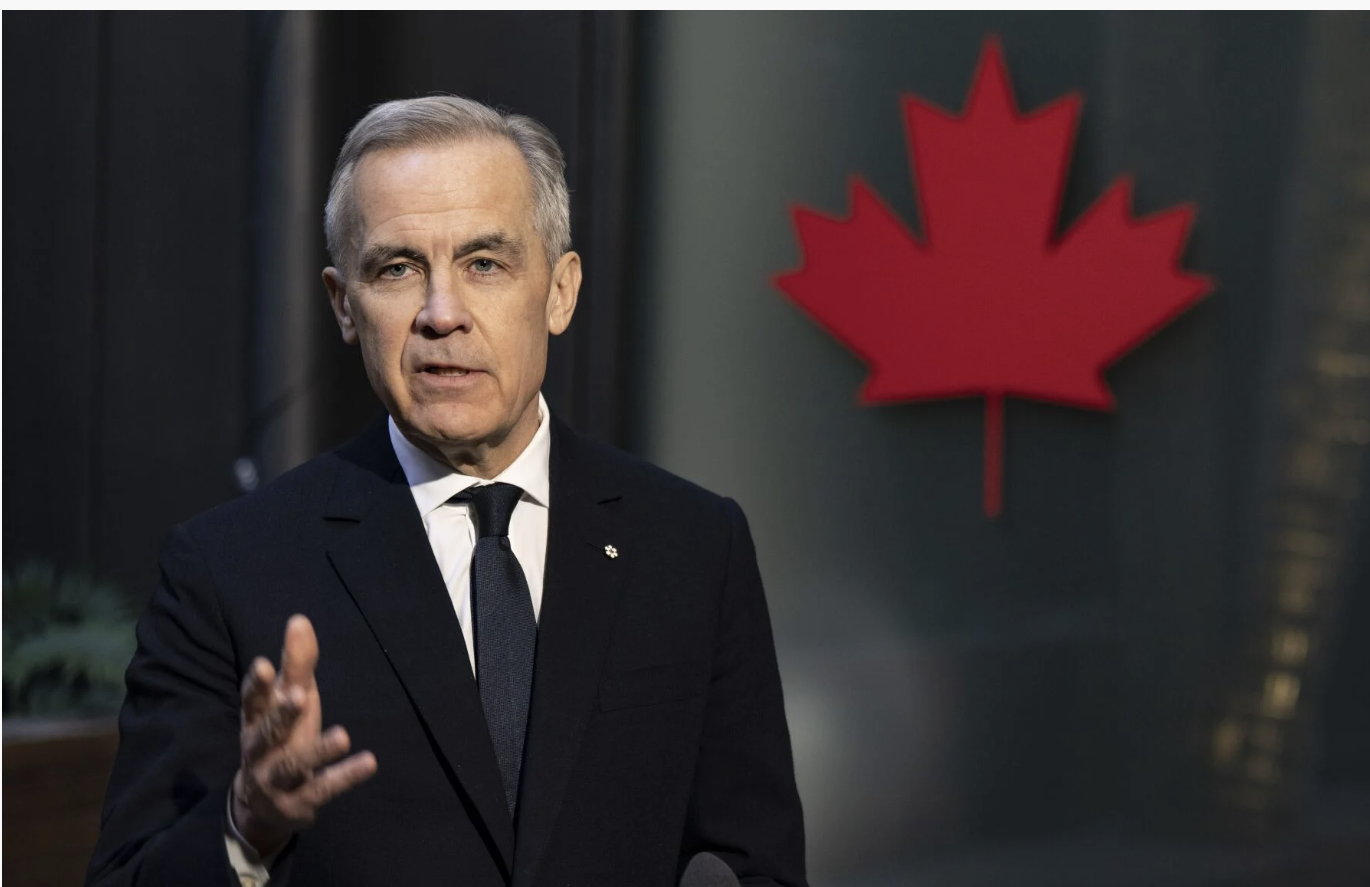
🔒 Opinion | Looming byelections suggest another lively year in Canadian politics

Lots of discussion about all this and Canadian politics in general on our podcasts this week. Check out Friday’s YouTube version of Good Talk with Chantal Hebert and Bruce Anderson right here. And the first Moore-Butts Conversation of 2026, which focused on the “affordability” issue. The audio version is available right here.
Time for our latest AI feature, and this one comes from Barron’s.
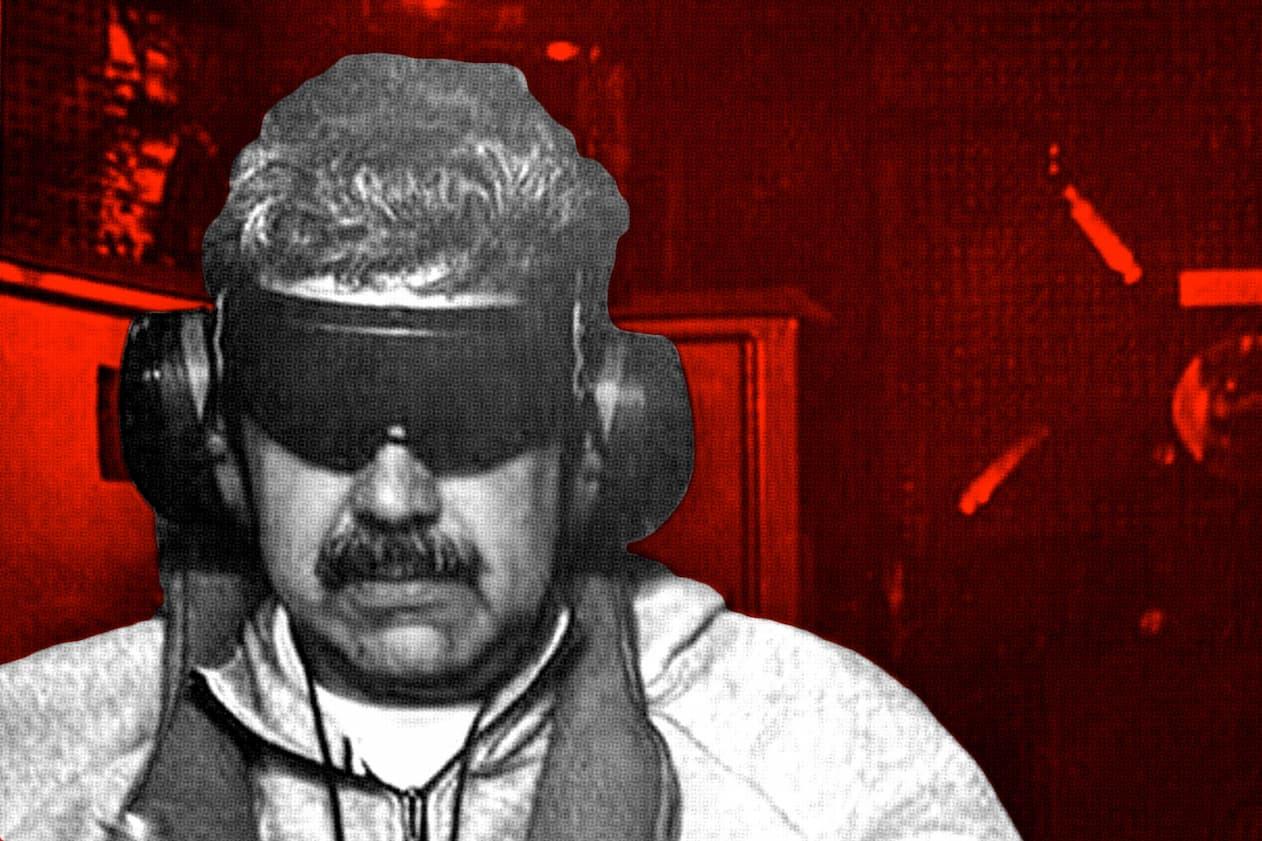
It’s topical because it involves the Venezuela story. It’s not good, yet what the story talks about is becoming a common sign of our times:
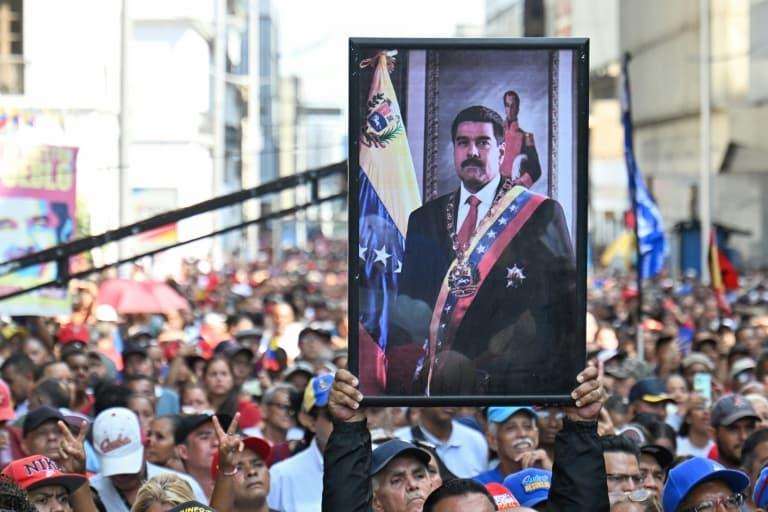
AI, Outdated Visuals Fuel Misinformation After Maduro Capture
The US invasion of Venezuela may be popular with some of Donald Trump’s inner circle, but not so much with his Washington outer circle.
The “I” word is back, mainly with some Democrats, but it could become contagious. Impeachment. Time magazine had this:
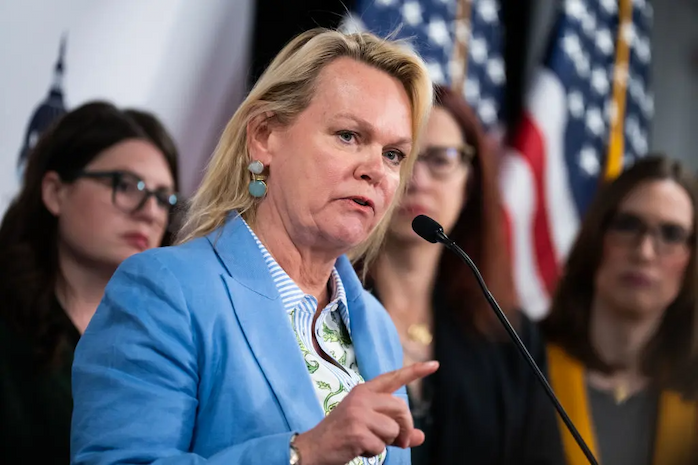
Calls for Trump’s Impeachment Gain Momentum Amid Fallout Over Venezuela Operation
Max Fawcett is always worth reading in the National Observer, and his piece this week post-Venezuela spins an interesting dilemma for Alberta:
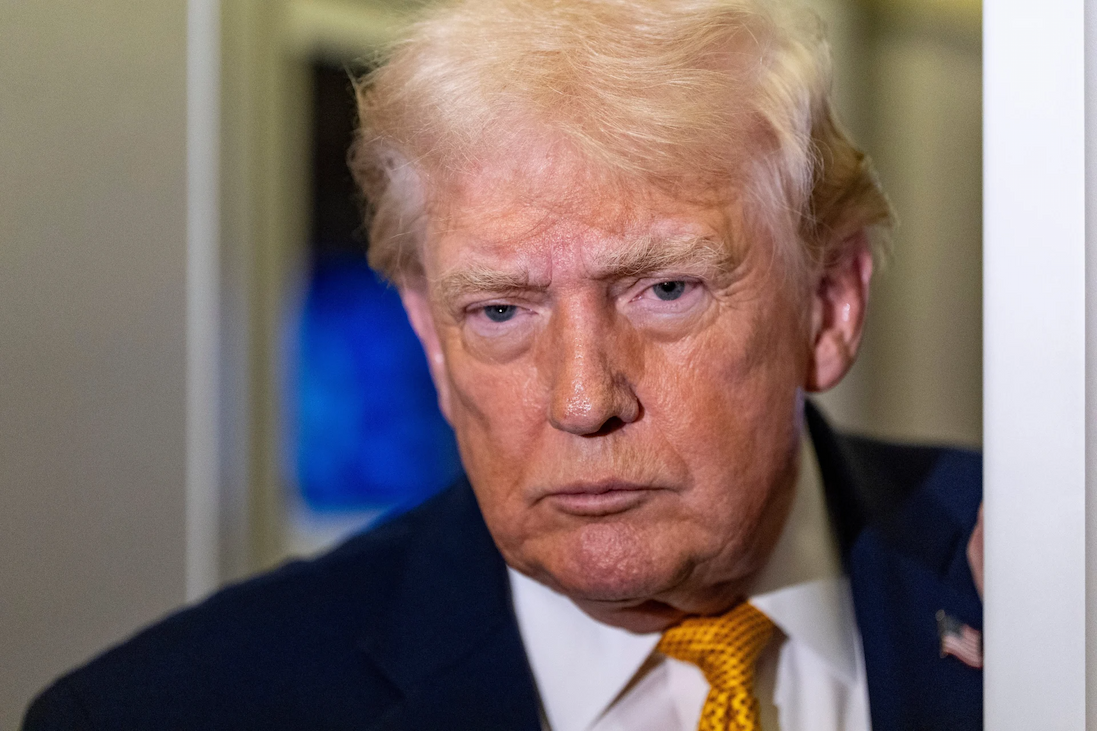
Opinion | Donald Trump just killed Alberta's pipeline dreams
I found this interesting because I’ve been thinking a lot about this possibility in the last year.
It’s from The Telegraph, and it’s about an Arctic war. There’s a paywall up for this, but you can get seven days of free access:
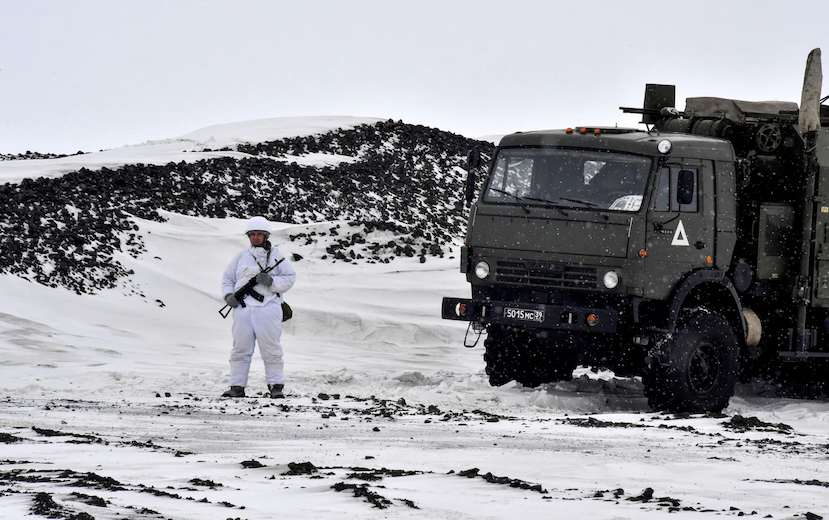
🔒 Is the Arctic about to tip into all-out war?
When my family arrived in Canada from Malaya in the mid-fifties, I was only five or six years old, and I wanted to start playing North American sports.
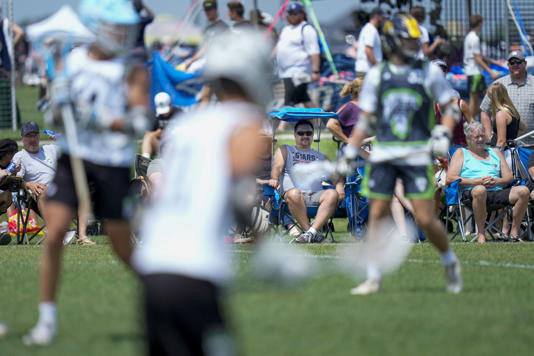
Arriving at the baseball diamond for the first time with a cricket bat did cause some stares. But using an old Eaton’s catalogue for shin pads at the hockey rink made me just one of the kids. Then, as now, sports equipment was expensive, and parents looked for alternatives. But these days, things have reached absurd heights. You could buy a hockey stick for a few bucks back then; now it can be as high as a few hundred. The Washington Post did an investigation: