

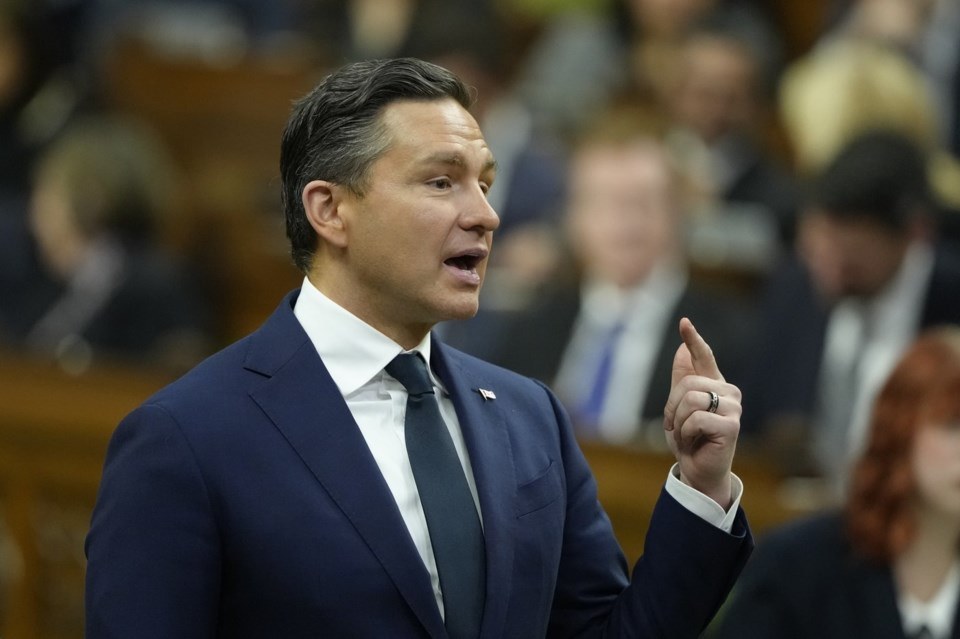
Will Poilievre’s Calgary Victory be Pyrrhic for the Party?

If the Conservatives still haven’t announced results, then here’s another equally good piece from The Globe’s Stephanie Levitz:

🔒 Conservatives to decide whether Poilievre gets a second chance
As it turned out, Conservative leadership wasn’t the only thing to talk about in Canadian political circles last night.
American meddling in our internal debates is high on talking points too, especially after the latest comments from the U.S. Treasury Secretary Scott Bessent. This guy has a habit of making headlines with things he probably shouldn’t be discussing, at least not publicly. But it doesn’t sound like his boss has told him to shut up; in fact, most assume Donald Trump probably encourages him. Bessent spent the week taking shots at Mark Carney after Carney clearly outshone Trump at Davos a week ago. But he didn’t stop there. He kept rambling on about how Alberta should consider the U.S. in its future. Others in the administration followed, and the fight was on. The Toronto Star assigned a good chunk of its Ottawa bureau to try to figure out what was going on:
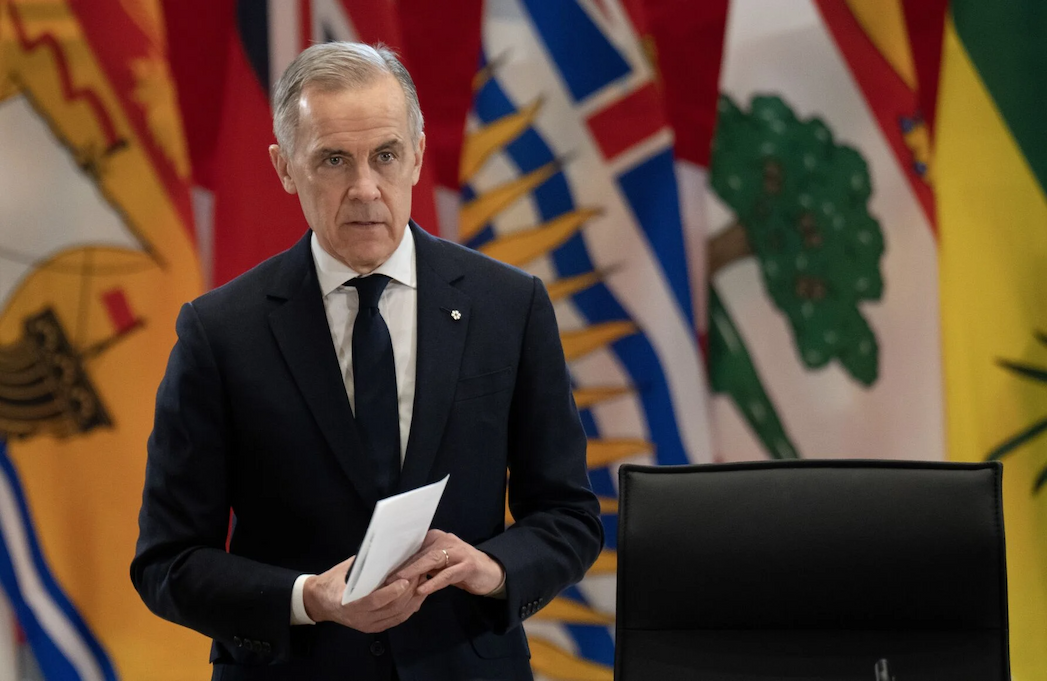
🔒 Mark Carney expects Donald Trump to ‘respect Canadian sovereignty’ after Alberta separatists met with U.S. officials
Usually, squabbles in or about Canada don’t get much attention south of the border, but these aren’t normal times.
Here’s how the Daily Beast saw things:

Trump Team’s Secret Meetings With Group Plotting to Break Up Canada Exposed
Now here’s a good piece to watch on all this because it’s clear this whole issue has become a lot deeper and more worrisome than you may have thought.
Sit back and try to remain calm as Eli Glasner of the CBC walks you through this story:

The next American threat you might not see coming
Take yourself back to 2016. In those first few months, even though he was drawing big crowds, most of those covering Donald Trump still saw him as a long shot to grab the Republican nomination for President. Nothing he said made him sound like a winner. Trashing immigrants. Trashing John McCain. Trashing his opponents for the nomination. And while he was known for “firing” people in his reality TV show, he claimed that if he were President, everyone would be impressed by the people he would be hiring. Remember these lines? He would only recruit into his cabinet “the best and most serious people”, “the top-of-the-line professionals.” And when he won the presidency, many of them, not all, but many, were actually topped up with credentials, partly because the key people around Trump wanted to make sure he didn’t have a bunch of “yes” people around to implement some of his crazy ideas. Trump hated that. Kept firing people, the experienced ones, trying to find the right fit, his fit. In other words, “yes” people.
In Trump 2.0, what we are witnessing today is all very different. Today’s headlines include this in a recent column: “Trump is setting himself up for failure by hanging on to his team of freaks and grifters”. Ouch. But let’s face it – who can argue with that? This week, his “team” was on display with another of those embarrassing “You’re such a great leader” cabinet meetings full of more examples of incompetence. Take Defense Secretary Pete Hegseth as example #1 – he called the invasion of Venezuela “the most sophisticated raid in world history”. Somebody might want to open a history book in front of him that explains D-Day. And then there’s Homeland Security Secretary Kristi Noem and some of her many fictitious claims about Minnesota. Do I need to go on?

We’ve all been horrified by what we witnessed in numerous videos taken in the streets of Minneapolis over the past few weeks.
Horrified and a bit confused. What were the rules of engagement, if any, that ICE troops were to follow when they created confrontation? That’s very unclear. What isn’t unclear is what happened when that confrontation happened. The following piece in Huffington Post was written by a U.S. Iraq combat veteran who spent a lot of time dealing with violent street protests in Iraq – the comparison will shock you:

I Was A Combat Soldier In Iraq. Here's The 1 Question Everyone Should Be Asking About ICE Right Now.

Time to check out our podcasts from this week, starting with yesterday’s Good Talk with Chantal Hebert and Bruce Anderson. The YouTube version is right here.
Earlier in the week on Reporter’s Notebook, Althia Raj and Rob Russo had this to say about a few things, including what they thought would happen in last night’s Pierre Poilievre leadership review vote. The audio version is right here.
Here’s a story of a Canadian snowbird family who, after a year of Donald Trump, have said “enough”, “no more”.
It’s in the current Maclean’s and it too is worth a read:

Flight of the Snowbirds
The Buzz has been pushing the Arctic story for months now, and it just seems that with each passing week, the story keeps growing in importance.
The latest evidence? This piece in National Newswatch authored by some pretty respected Ottawa names: Eddie Goldenberg, Hannah Thibedeau and Martin Green.
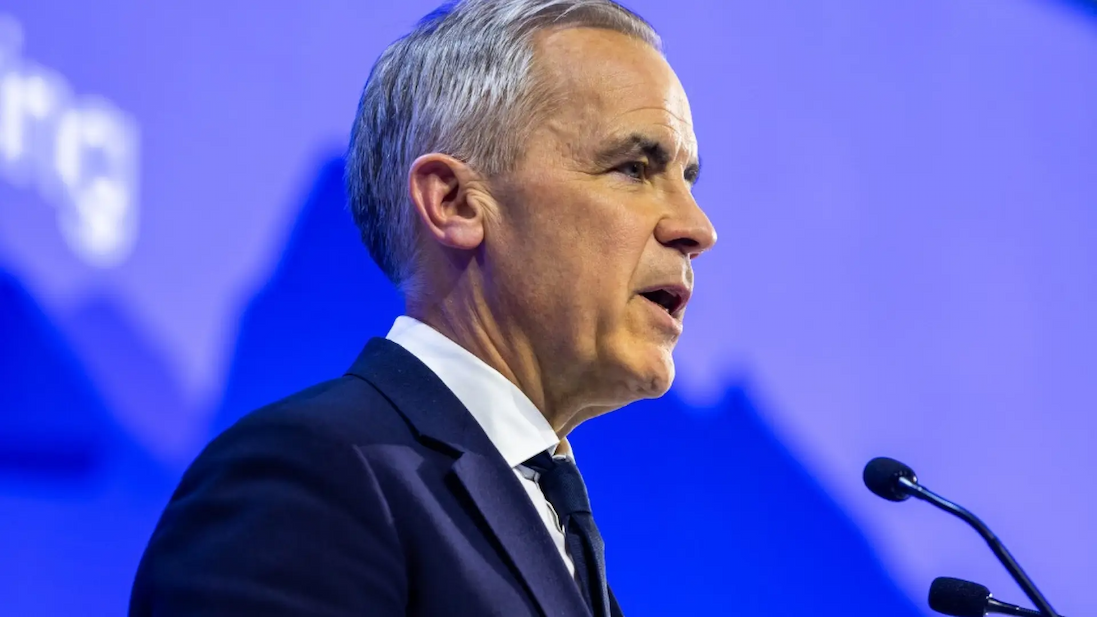
After Greenland, Canada’s Arctic is in Play
National security expert Wesley Wark has some thoughts on this too.
Check out his Substack this week:
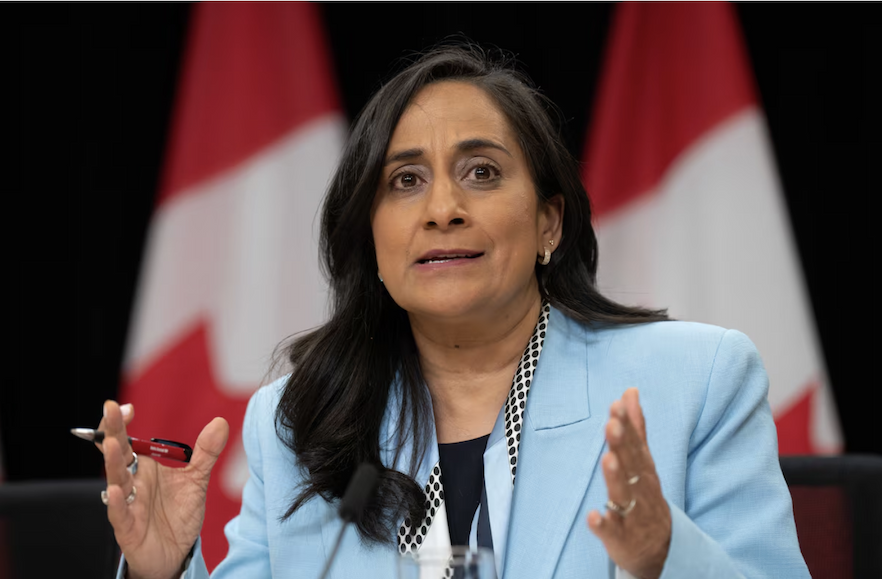
Minister Anand on Arctic security
We’ve talked before about the immediate need for data centres to handle all the AI demands, and linked to that, the issue of where all the power generation for the centres is going to come from. Well, here’s an idea.
You’ve almost certainly heard of, or seen pictures of, all those aging jets sitting in the Arizona desert. Planes from the military, passenger jets from commercial airlines, all sitting in the sun, enjoying their retirement from active service. Well, there are those who feel the engines on all those aircraft could still produce energy, the kind of energy needed to power multiple data centres. Check this out from The Telegraph:
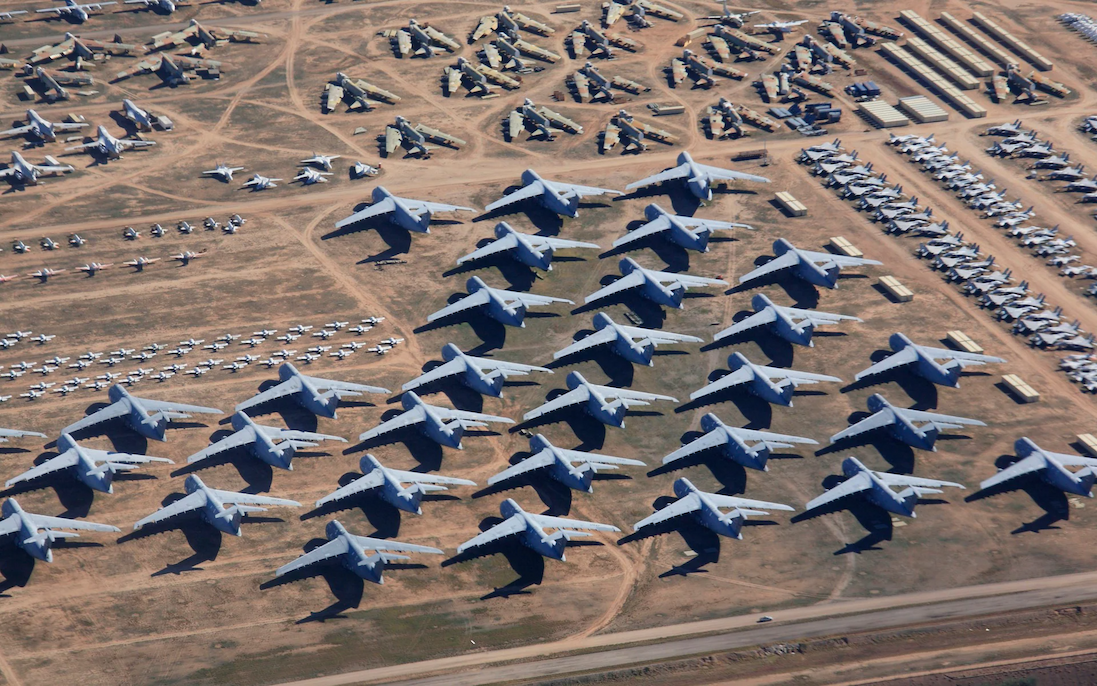
Trump urged to use retired jet engines to power AI
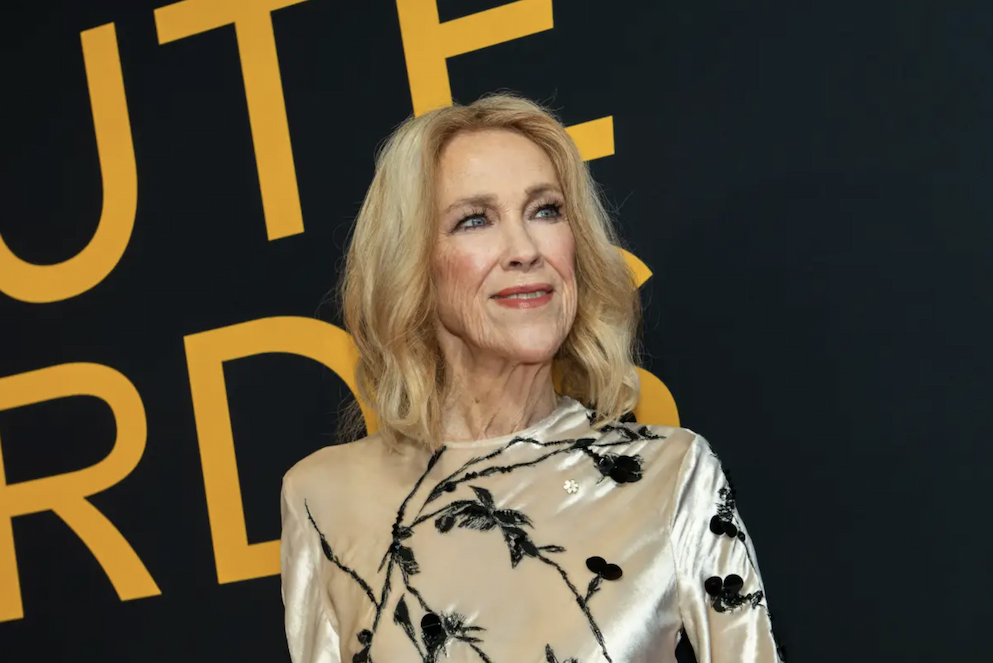
I only met Catherine O’Hara a few times. At award shows and once in the studio. She was incredibly kind with her chats and her time. She wanted to say hello and smile with everyone, especially the crews.
Her sudden death yesterday was a terrible shock to all. She truly was one of a kind. One of Canada’s best.