

Tick, Tick, Boom
It's always interesting to see how others write about us.
So when the New York Times decided it wanted a piece on the Alberta ‘stay or leave’ story, they asked their EU Correspondent, Matina Stevis-Gridneff, to do the reporting:
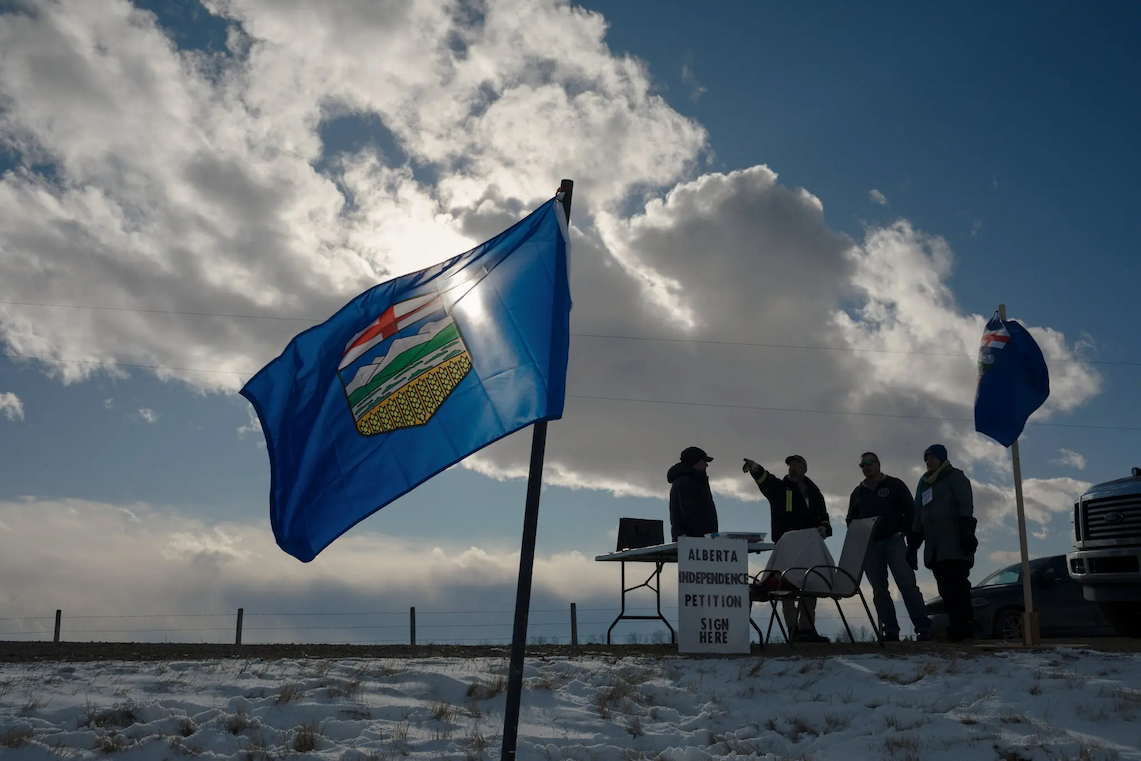
Fringe to Mainstream: The Movement to Split Alberta From Canada Gets Its Moment
The polling firm Leger, one of the country’s most respected, released some interesting data this week based on its polling about the referendum issue in both Alberta and Quebec.
Polling is all about the questions and how you read the data. Sometimes it’s good to go to the source for their interpretation:

Canadians Weigh the Potential Impact of Alberta and Quebec Independence

So, here’s the situation – you are on a television quiz show, and the big question comes to you.
“Which is Canada’s largest mining company?”
You freeze. They give you a hint.
“It’s also the world’s second-largest gold producer.”
If you didn’t already know, you are about to find out that it's a huge company with interests around the world, including Canada’s Arctic. With all the interest of late in the possibilities Canada’s Arctic presents, two of the company's senior executives wrote this piece for National Newswatch that is worth considering:
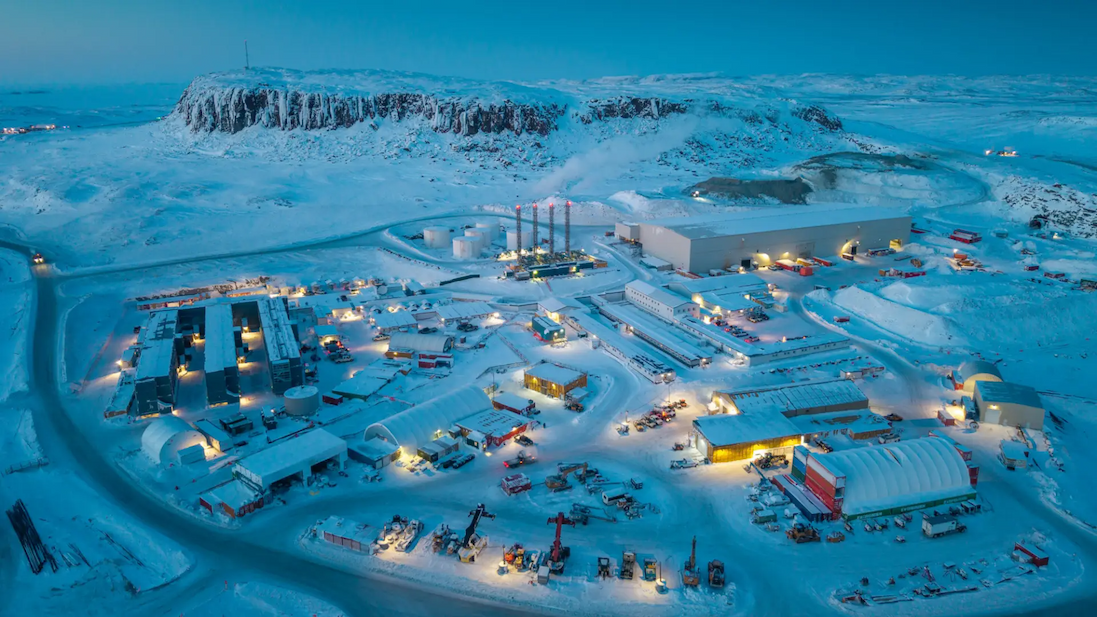
Arctic Sovereignty and Potential: Ignore the Community, Lose the Opportunity

British Columbia Conservatives have a new leader, and if you don’t live in BC, you may never have heard of her.
That may change as the Globe and Mail’s Gary Mason pens (okay, ‘types’) another very direct opinion piece:
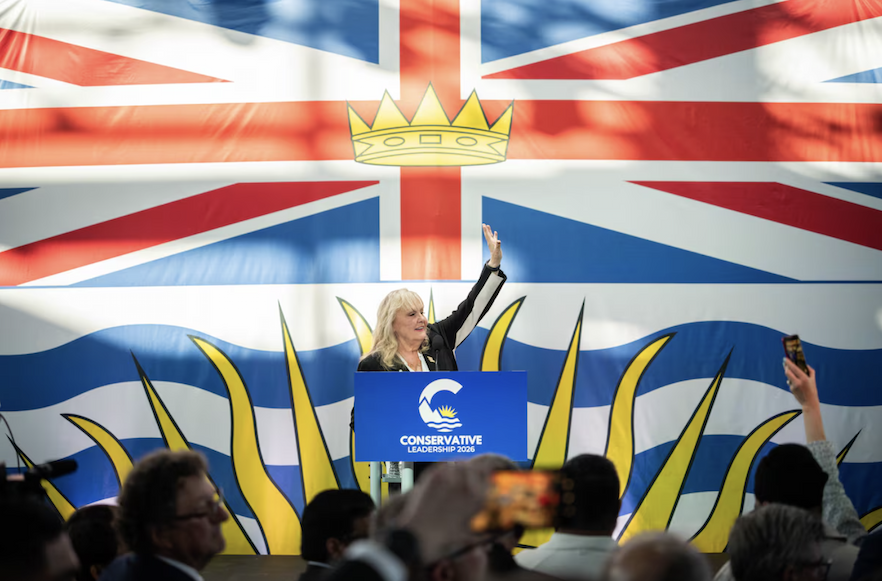
🔒 Opinion | Will the B.C. Conservatives now become MAGA North?

Time for a little self-promotion. Here’s how to see our YouTube podcasts from this week.
Friday’s Good Talk with Chantal Hebert and Bruce Anderson can be found right here.
Tuesday’s Reporter’s Notebook with Rob Russo and Althia Raj is available at this link.

Here’s something you may not be aware of.
There is a Canadian survivor in the Epstein story. Her name is Sharlene Rochard from Ontario. Katie Nicholson of CBC went to meet her:
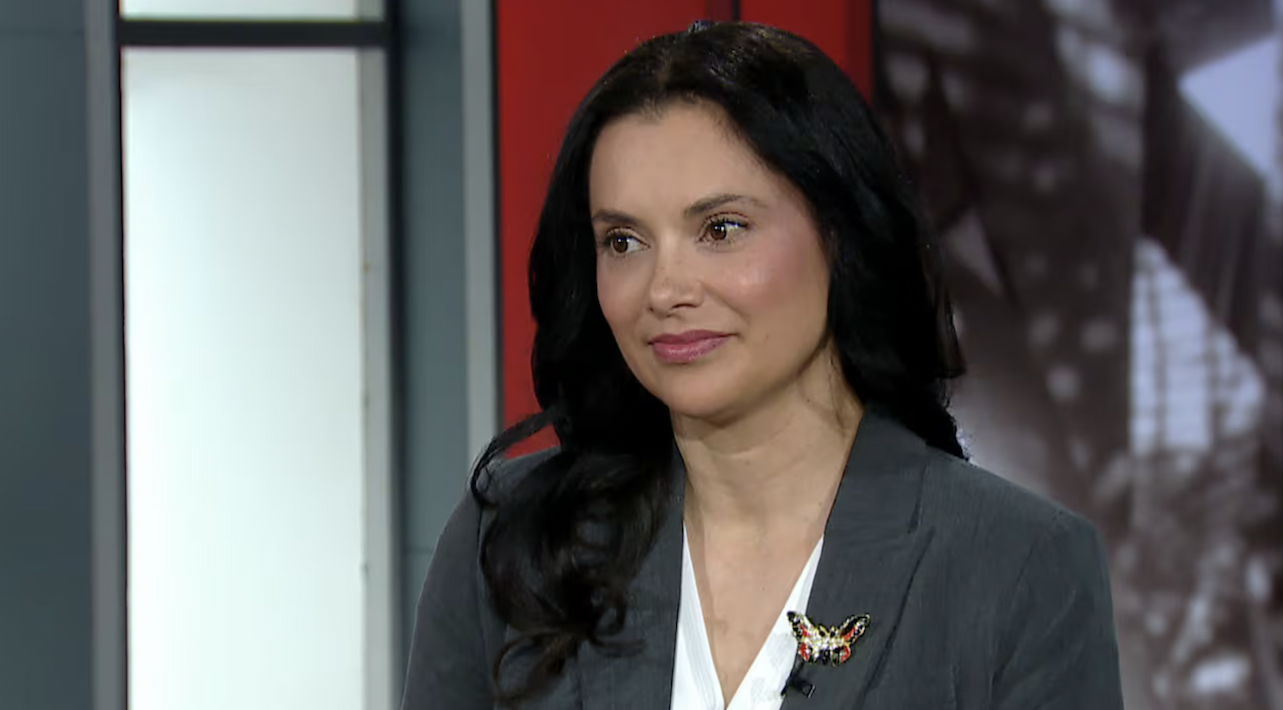
Canadian Epstein survivor speaks out
When Tulsi Gabbard, a pretty average former Democratic Congress member, was picked by Donald Trump to be his Director of National Intelligence, observers were appalled.
She didn’t have the background or the experience to be in charge, in effect, of all intelligence agencies in the country. Some also saw her as a Russian asset. But this was the same Trump who plucked a weekend weather guy from Fox to be his Secretary of Defence, or as he likes to call himself, Secretary of War. And look where that got us all. Thank him and his boss every time you fill up.
Anyway, Gabbard is finally gone, but get ready for the next shock - her replacement. Commentator Joyce Vance has these thoughts about that on her Substack:
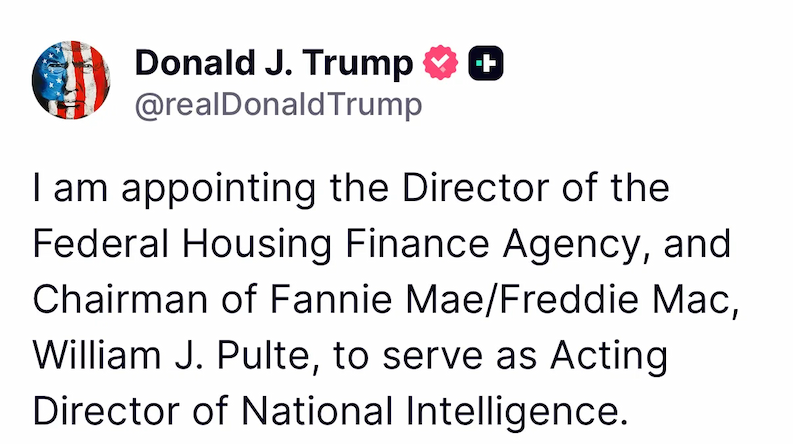
If You Thought Tulsi Gabbard Was A Problem…
What can Canada learn from Saudi Arabia’s Sovereign Wealth Fund?
Of course, they’re not quite the same – the Saudis actually have money in theirs. But money doesn’t mean success, does it? Here’s an analysis from the BBC:

How Saudi Arabia's spending spree reached the end of the line
When I was a young boy, I used to be mesmerized by pictures from Hawaii: the hula dancers, the surfers, the hula dancers, the nighttime beach parties, the hula dancers. Okay, you get the point.
But of all the travelling I’ve done around the world, with the exception of a quick 24-hour in and out to give a speech, I’ve not spent any time in Hawaii. (And I have yet to see, in real life, a hula dancer.)
Apparently, I’m not alone. According to this, even Hawaii is being hit by the slowdown in tourists coming to the U.S., and it's hurting: